DBS-Visa AI agent payments, the Philippines’ dual IPO race, and Indonesia’s new digital innovation hub all point to the same quiet shift: Southeast Asia is building financial infrastructure, not just fintech apps.
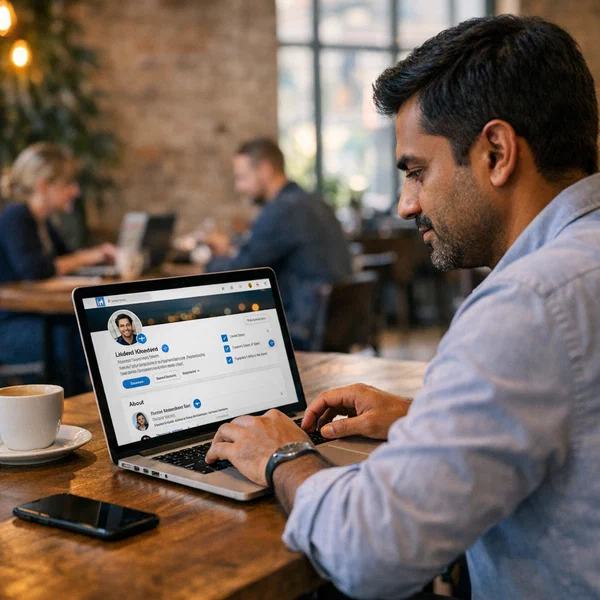
As JPMorgan’s CEO urges society to start preparing for AI-driven job loss, LinkedIn personal branding has become the most accessible and powerful tool professionals have to stay visible, relevant, and hireable.
Running multiple AI coding agents in parallel is the hottest new developer trend—but research shows most teams are doing it wrong, making this a critical moment for product managers to rethink how they measure and structure AI-augmented engineering.
The world crossed a regulatory threshold yesterday: mandatory AI content labeling and three-hour takedowns are now law in India, signaling a global governance shift that every AI practitioner must understand.
The transition from degree-based to skills-based hiring is revolutionizing career transitions, offering professionals unprecedented freedom to pivot industries.
The shift from AI experimentation to agentic AI deployment is creating unprecedented opportunities for lean startups and small businesses to compete at scale.
LinkedIn’s pivot to short-form video creates unprecedented opportunities—and risks—for corporate brands that have spent years perfecting traditional content strategies.
As major AI companies race into healthcare with sophisticated tools, the critical question isn’t just capability—it’s whether innovation can coexist with the human touch that defines quality care.
LinkedIn’s 2026 algorithm update penalizes engagement bait by up to 60% while rewarding genuine expertise and meaningful conversation—transforming how professionals must build their personal brands.
Organizations are deploying decision-making AI agents faster than they’re building accountability frameworks—and the gap is creating unprecedented risks.
82% of employees report burnout while engagement metrics hold steady—revealing a dangerous leadership blind spot that threatens retention and organizational health.
Horizon 1000’s ambitious plan to bring AI to 1,000 African clinics by 2028 forces us to confront both AI’s potential and the structural inequities that threaten its success.
Gmail’s Gemini-powered inbox features are rewriting the rules of corporate email communication, forcing B2B marketers to rethink decades of established practices.
Slingshot AI’s UK withdrawal reveals the urgent need for clear regulatory frameworks governing AI mental health tools operating in the gray zone between wellness apps and medical devices.
In an era of ungovernable change, the most effective leaders build resilient teams through sustainable practices that prevent burnout while enabling adaptation.
Extended thinking capabilities are transforming prompt engineering from an art of precision phrasing to a strategic dance between human guidance and machine reasoning.
The January 2026 launches of ChatGPT Health and Claude for Healthcare represent both tremendous promise and serious peril for the future of AI in medicine.
The convergence of AI and robotics is creating a gold rush for career transitions, with major tech players democratizing access and skills gaps widening faster than ever.
As dropout status becomes a coveted credential in startup pitches, a chai wallah-turned-entrepreneur questions whether we’ve simply replaced one form of credentialism with another.
AI’s automation of entry-level work is creating an unprecedented career paradox for new graduates while experienced professionals see increased demand.