When the external market tightens and restructuring accelerates, your internal career capital determines whether you advance, transfer, or get managed out.
Money20/20 Asia called it: the infrastructure era is done. The BIS called out the structural fragility of the dollar-denominated rails it runs on. These are the same story, and OCBC’s dual move this week is the most honest answer either side has offered.
When technical skills expire every two to four years, the real career crisis isn’t that you need to learn faster — it’s that your entire architecture of value needs rebuilding.
April 2026’s best reads, tools, and ideas — all pointing at the same structural gap between the skills professionals need and the support they’re actually getting.
The next phase of workplace AI is not just automation—it is a surveillance bargain that converts how people work into the raw material for both productivity gains and tighter managerial control.
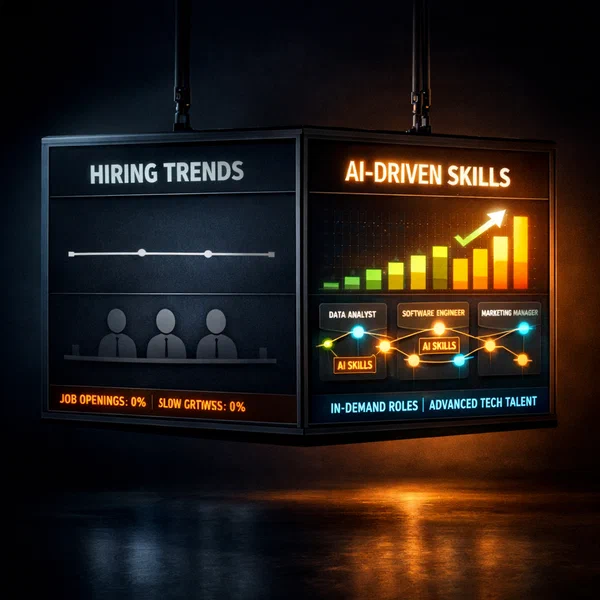
Hiring is slow overall, but demand for AI-adjacent capability is accelerating, creating a split-screen market that rewards evidence-backed adaptability.
This week’s most important Southeast Asia fintech story is that macro stress is turning payment infrastructure from a convenience feature into an economic resilience tool.
The most immediate AI disruption is the collapse of click-heavy software interfaces, not mass layoffs, and founders who operationalize agent-driven workflows now will build an unfair execution advantage.
Agentic commerce arrived in Southeast Asia this week, and the more interesting story is what the region’s payment platforms reveal about whether they’re ready to be where the agents shop.
AI recommendation poisoning is already in production across 31 companies and 14 industries. Here’s what prompt engineers need to understand before their enterprise AI deployments are compromised.
AI drug discovery’s 80-90% Phase I success rate is real. But Phase I mostly measures toxicity. The industry is betting billions on a revolution whose hardest proof is still outstanding.
The tariff anniversary week that mattered wasn’t for what it revealed about factories. It was for what it revealed about the alternative architecture Southeast Asia has been quietly building.
Anthropic’s triple-incident week wasn’t just embarrassing—it opened a window into the most underexamined assumption in AI governance: that ’trust us’ is a safety framework.
LinkedIn’s NewFront 2026 ‘Cut the Bullspend’ campaign reveals the uncomfortable truth: the platform dismantled company page reach and is now selling you the replacement.
India deploys AI more than any other country, yet has nearly the lowest density of true power users—and Anthropic’s March 2026 Economic Index just quantified what that gap is costing every founder who hasn’t noticed.
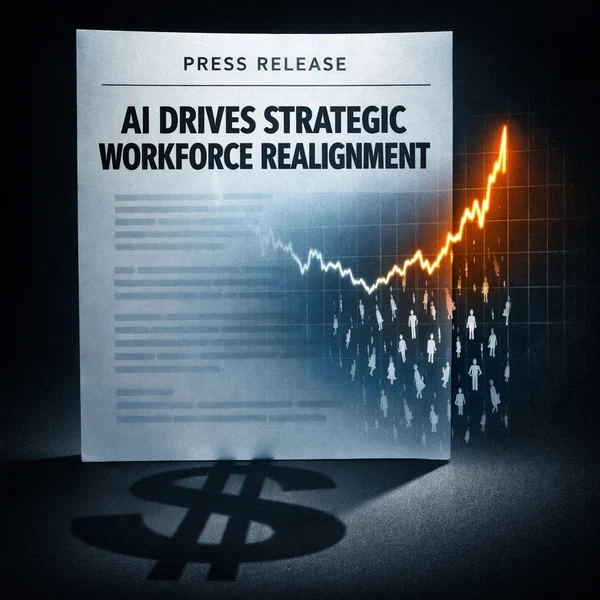
The ‘AI layoff’ headline is partly a financial narrative. Understanding which part is spin and which is signal will determine whether you pivot to safety or deeper into the storm.
The week stablecoins became boring, Vietnam asserted control over $200 billion in offshore crypto flows, and two events on the same day captured everything awkward about banking’s AI transition.
Anthropic was blacklisted by the Pentagon for holding two ethical redlines. What that tells us about the future of responsible AI is more alarming than the dispute itself.
This week: Kredivo buys its way into Vietnam via the Timo acquisition, an IMF report confirms Thailand leads ASEAN in digital payments while scam losses mount, and Grab’s proposed voting rights restructure raises hard governance questions for the region’s largest super-app.
LinkedIn’s new LLM-powered feed algorithm punishes engagement bait and rewards real expertise. The playbook professionals have relied on for years just changed.
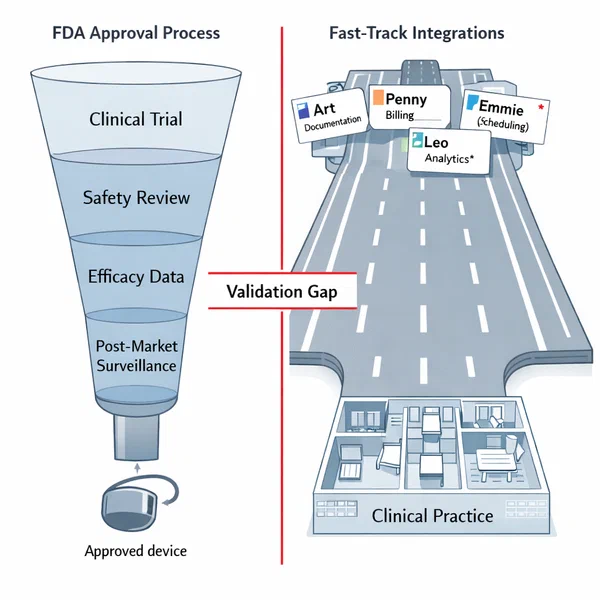
AI agents are proliferating across clinical settings faster than any validation framework can track — and a new BCBS study showing $663 million in AI-inflated billing is just the opening act.
Vibe coding has democratized software creation, but the speed-without-understanding approach is accumulating a dangerous security and technical debt bill.
Three signals from one week: Vietnam becomes SEA’s first country with a binding AI law, Money20/20’s APAC report declares the region has moved from pilots to production, and the UBS OneASEAN Summit puts 4.9% GDP growth on the record.