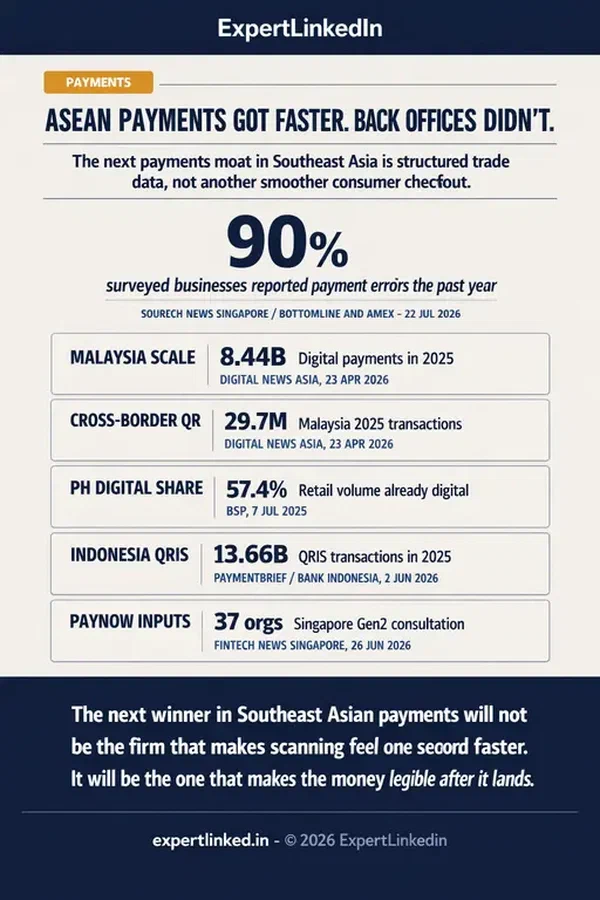
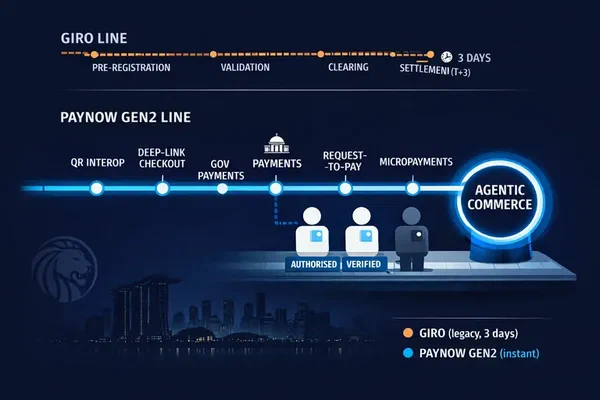
Digital Economy is the site’s umbrella for practical analysis of how online markets, platforms, payments, fintech, entrepreneurship, and digital marketing are changing the way businesses grow and compete.
This series is for readers who want more than trend summaries. It focuses on the operating realities behind digital growth: distribution, monetization, trust, regulation, customer behavior, and the business models that survive after the first wave of attention moves on.
Series map
#
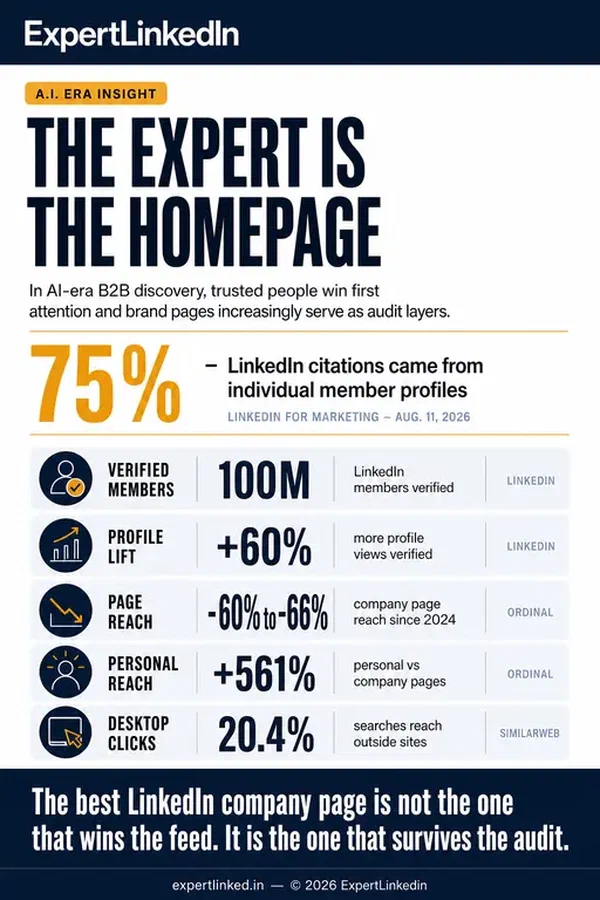
- Content Marketing - audience building, distribution, creator-led growth, and the economics of attention.
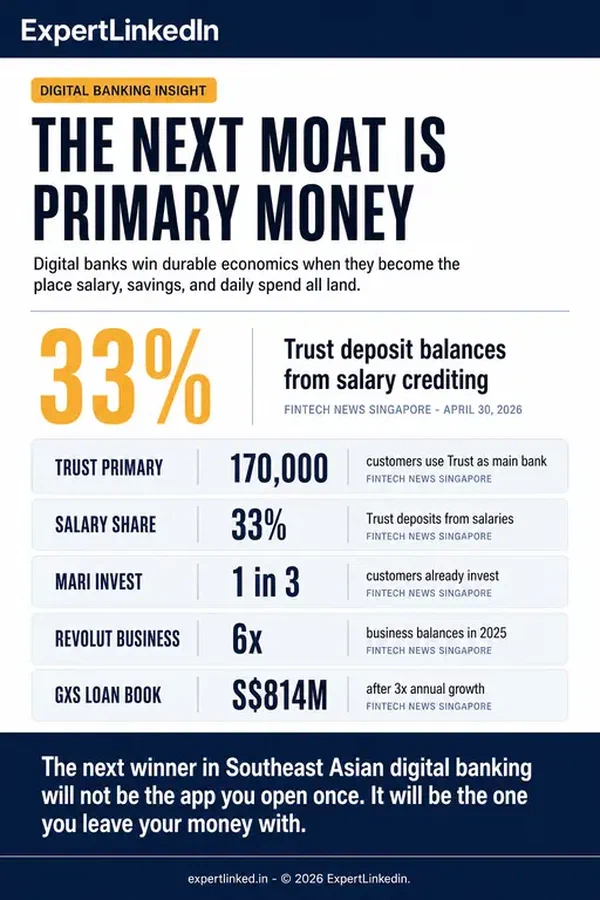
- Digital Banking - embedded finance, neobanks, banking infrastructure, and the changing relationship between money and software.
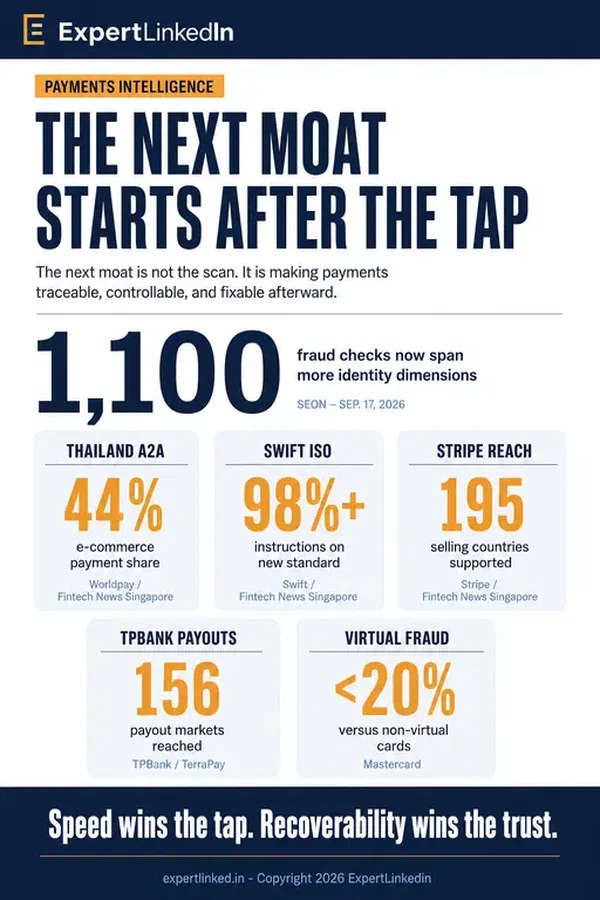
- Payment - payment rails, checkout, fraud, cross-border transactions, and the business of moving money.
- Entrepreneurship - startup strategy, founder decisions, funding, positioning, and the realities of building in uncertain markets.
- Fintech - financial technology, regulation, lending, compliance, and the platforms connecting finance to digital products.
The authors
#
- Chloe Tan writes Digital Banking and Payment, drawing on two decades of fintech product leadership across Southeast Asia with a focus on open banking, real-time payments, and financial inclusion.
- Raj Sharma writes Fintech with a focus on infrastructure, regulation, lending, compliance, and the practical implications for financial services.
- Sophia Patel writes Content Marketing and Entrepreneurship, combining audience strategy with grounded observations on founder-led growth.
- Marcus Johnson writes Payment and Digital Economy analysis with a direct, commercially minded voice for operators and decision-makers.
What readers can expect
#
- Analysis of how digital businesses actually make money, earn trust, and scale.
- Clear explanations of fintech, payments, banking, and platform economics.
- Lessons from real companies, products, regulations, and market shifts.
- A practical view of entrepreneurship beyond founder mythology.
- A recurring source of context for leaders navigating digital-first markets.
If you want to understand the business layer beneath the internet economy, start here.