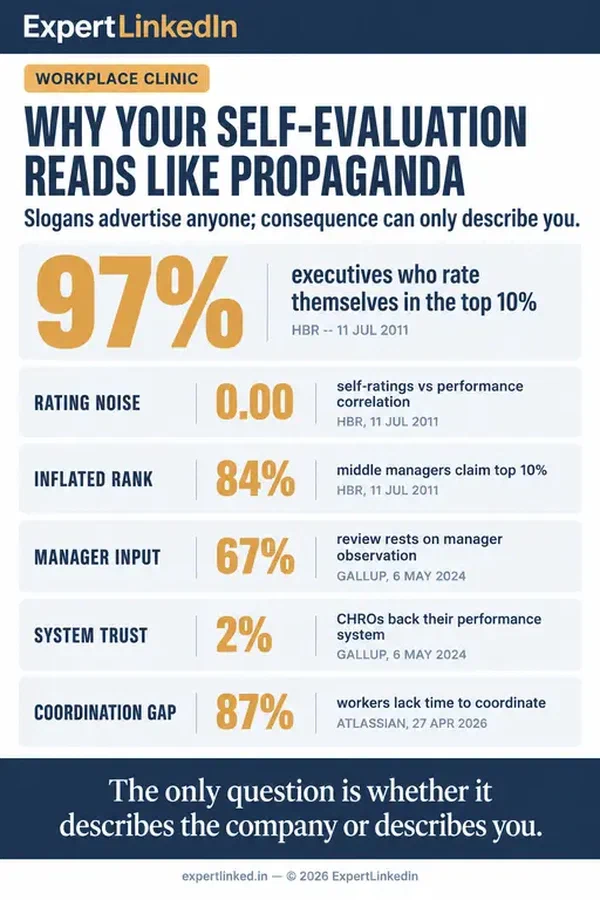
If your self-evaluation sounds like a press release, your instinct is right. Here is how to stop imitating company slogans and start documenting consequence, the friction you removed, and what would have broken without you — before Q4 2026 calibration.
If your self-evaluation sounds like a press release, your instinct is right. Here is how to stop imitating company slogans and start documenting consequence, the friction you removed, and what would have broken without you — before Q4 2026 calibration.
Most stay-through-year-end decisions are not decisions at all — they are hopes dressed as plans. If there is no sponsor, no timeline, and no clearer role after Q4, staying is inertia wearing professional language. Here is how to test it before October burns you out.
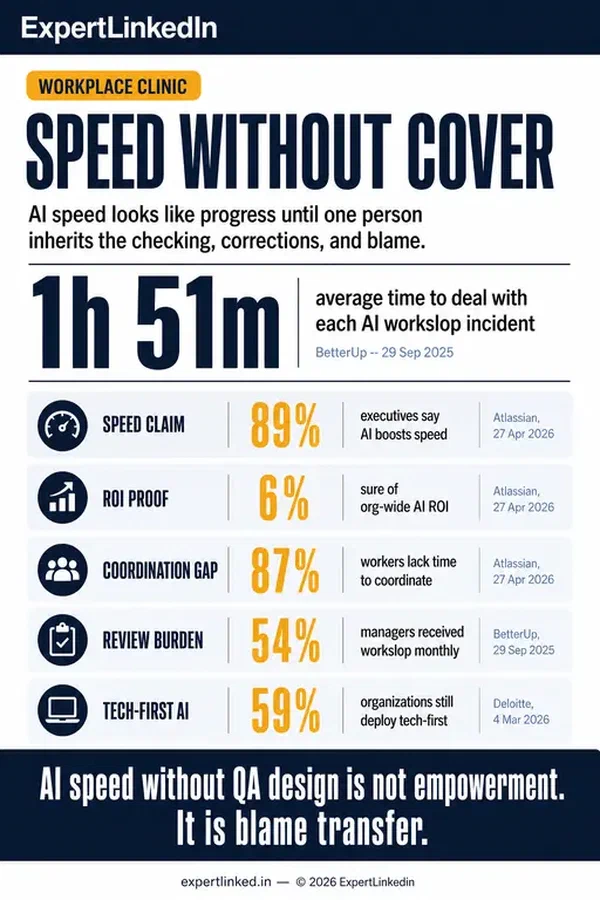
AI can make a team look faster while quietly pushing the checking, corrections, and reputational risk onto one person. Before Q4 reviews lock that arrangement in, you need a clearer QA line, a workload trade-off, and a manager who will own the risk with you.
AI can make a team look faster while quietly pushing the checking, corrections, and reputational risk onto one person. Before Q4 reviews lock that arrangement in, you need a clearer QA line, a workload trade-off, and a manager who will own the risk with you.
A private “I agree” can still function like a hidden no. If your manager never turns support into staffing, calibration, or public advocacy before Q4 reviews, you need a cleaner read on the situation and a safer next move.
The most dangerous KPI shift is often the one nobody announces. A temporary summer workaround can quietly become your Q4 review baseline unless teams separate exceptional effort from sustainable role scope.
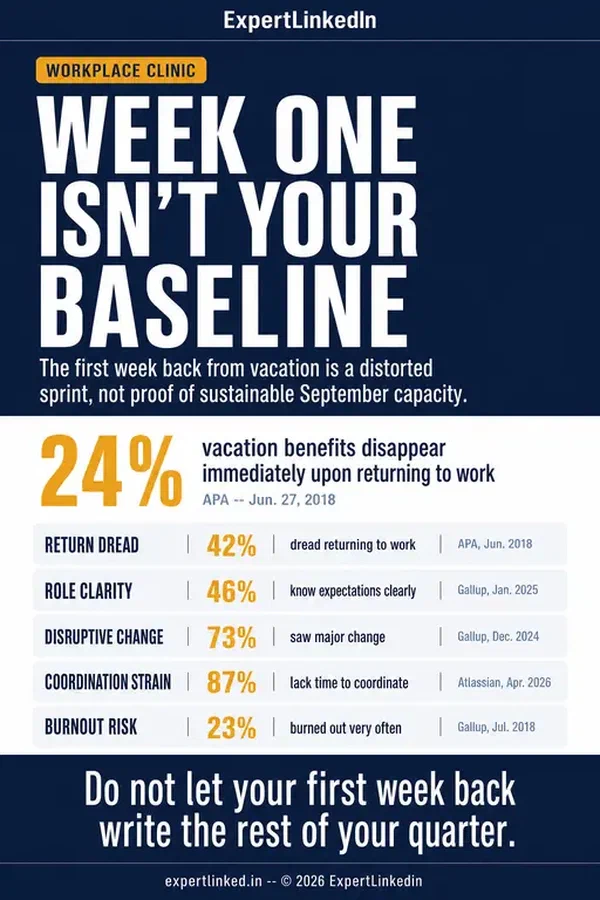
The first week back from vacation is usually a backlog-clearing sprint, not proof of sustainable capacity. If your team treats that burst as September’s new baseline, here is how to reset expectations before helpful overperformance becomes policy.
The first week back from vacation is usually a backlog-clearing sprint, not proof of sustainable capacity. If your team treats that burst as September’s new baseline, here is how to reset expectations before helpful overperformance becomes policy.
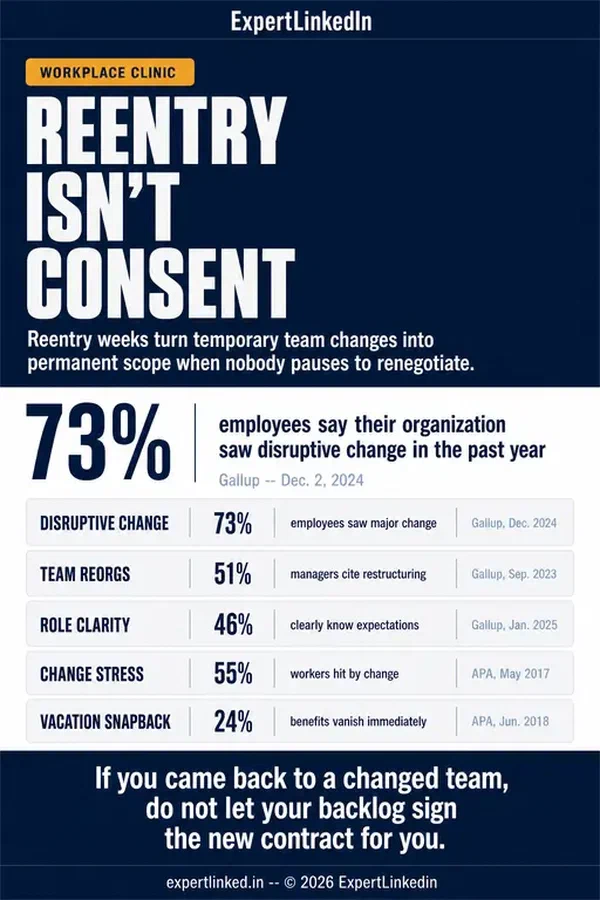
Coming back to a ’new setup’ is one of the easiest ways organizations turn temporary changes into permanent scope. Here is how to surface what shifted, reopen the authority conversation, and stop Q4 from recording your reentry triage as your new job.
Coming back to a ’new setup’ is one of the easiest ways organizations turn temporary changes into permanent scope. Here is how to surface what shifted, reopen the authority conversation, and stop Q4 from recording your reentry triage as your new job.
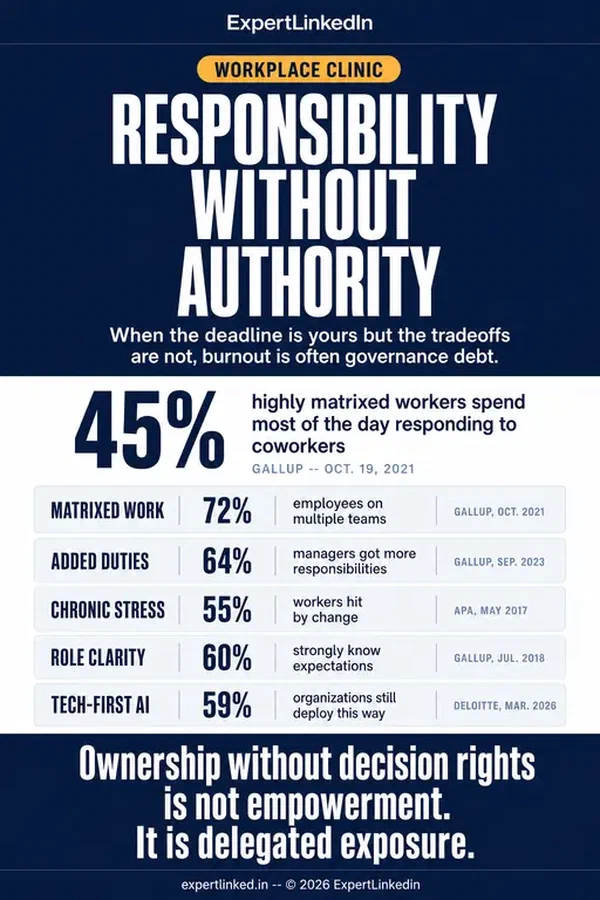
If the deadline is yours but the tradeoffs, approvals, and staffing decisions are not, you are not just overloaded. You are carrying governance debt. Here is how to surface the authority gap before Q4 turns it into your permanent operating model.
If the deadline is yours but the tradeoffs, approvals, and staffing decisions are not, you are not just overloaded. You are carrying governance debt. Here is how to surface the authority gap before Q4 turns it into your permanent operating model.
If your employer can interrupt you anytime but you cannot go unavailable without reputation cost, that is not flexibility. It is always-on work in softer language. Here is the clinical read and the three-move response before September turns it into policy.
Temporary summer coverage often gets mistaken for permanent capacity. If August stretched your role, here is how to surface the hidden load before September turns it into your new job.
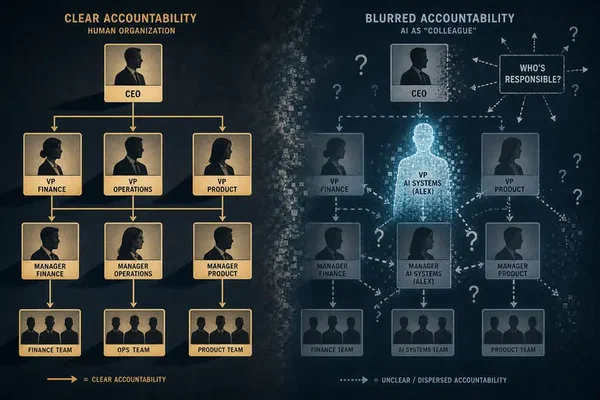
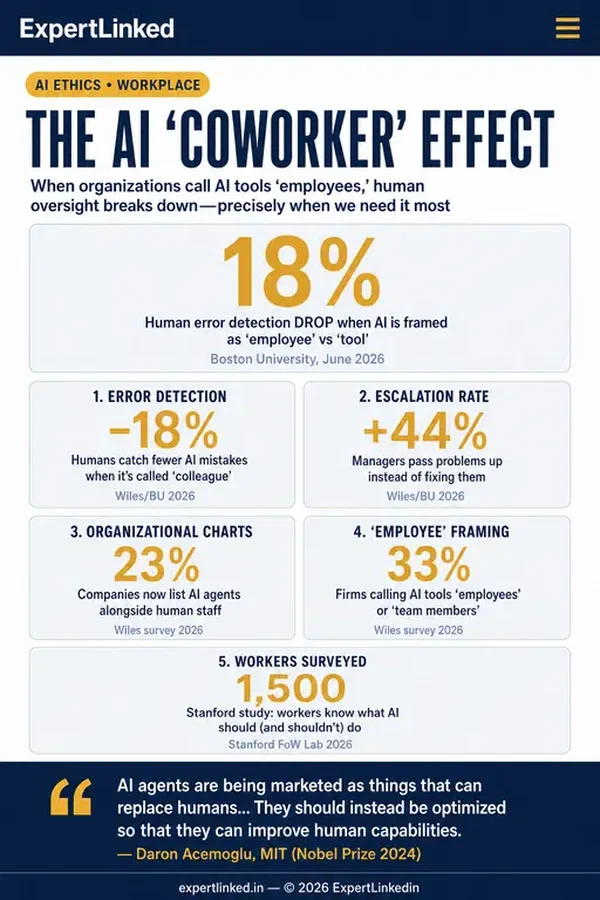
New research reveals that calling AI agents ’employees’ makes humans 18% worse at catching errors and creates dangerous accountability gaps. Why anthropomorphizing AI undermines human judgment precisely when we need it most.
New research reveals that calling AI agents ’employees’ makes humans 18% worse at catching errors and creates dangerous accountability gaps. Why anthropomorphizing AI undermines human judgment precisely when we need it most.
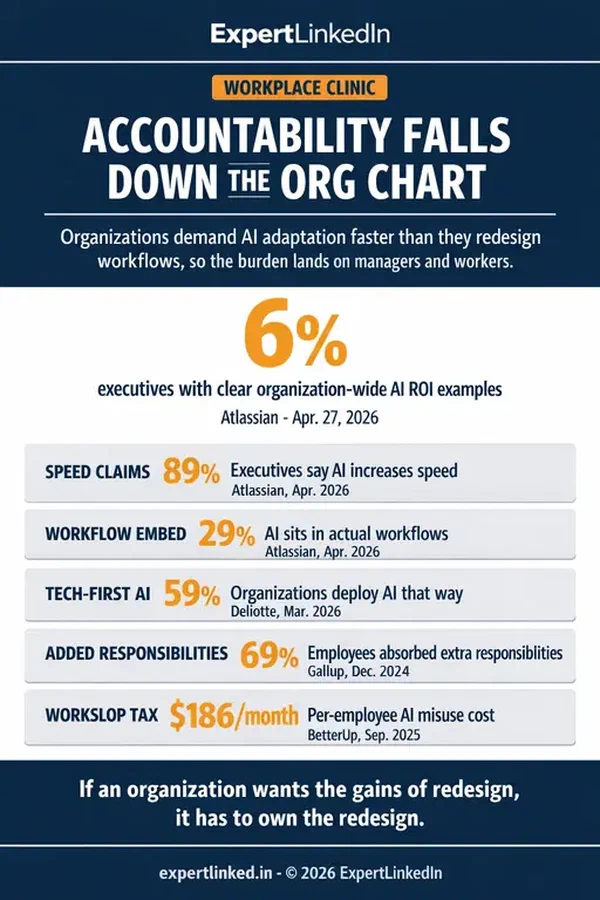
July’s hardest workplace questions all trace back to one pattern: AI transformation without owned redesign pushes accountability downward and cost onto workers.
July’s hardest workplace questions all trace back to one pattern: AI transformation without owned redesign pushes accountability downward and cost onto workers.
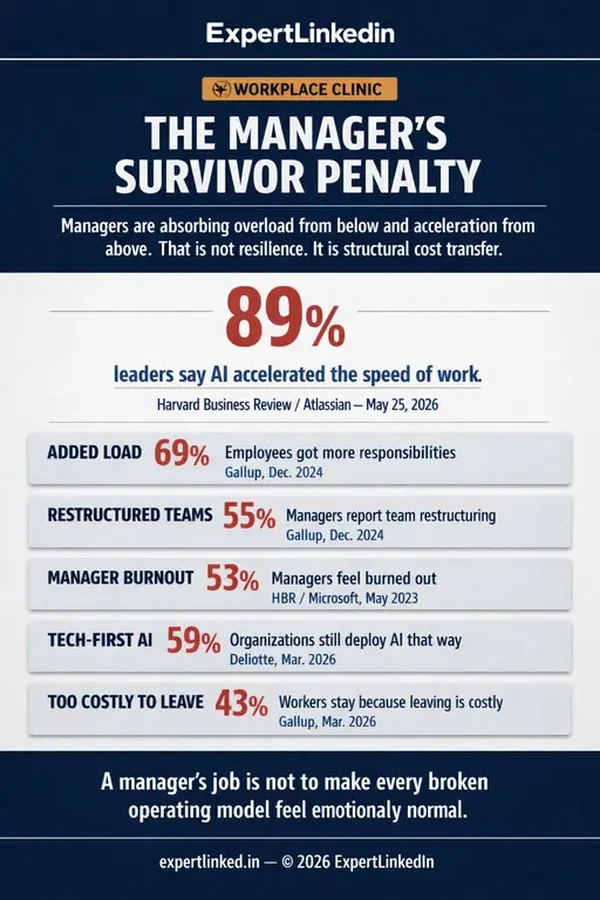
Managers caught between team overload and executive AI pressure need clearer boundaries, better escalation scripts, and a refusal to donate invisible calm.
Managers caught between team overload and executive AI pressure need clearer boundaries, better escalation scripts, and a refusal to donate invisible calm.
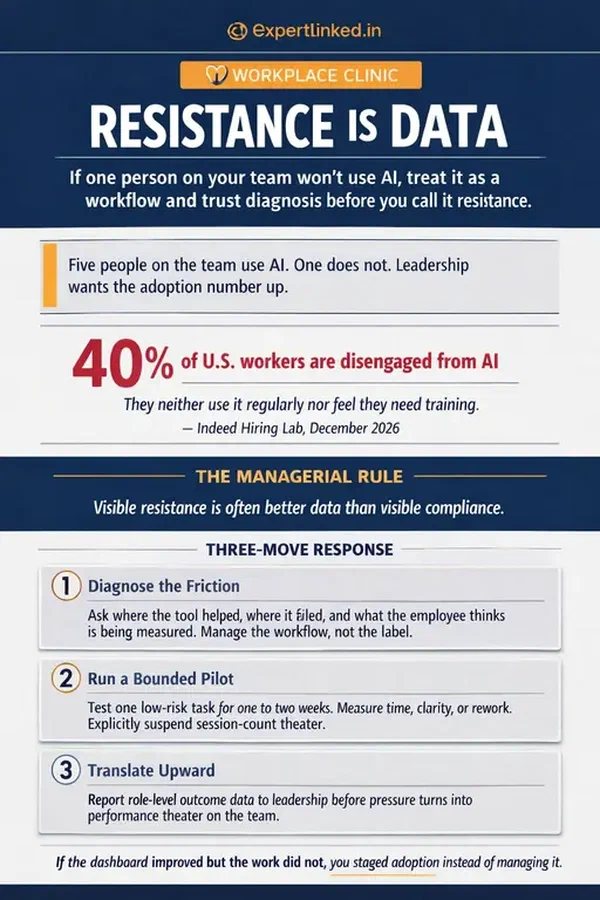
If a team member resists AI tools, manage the trust, workflow fit, and measurement problem first or you will manufacture compliance theater instead of adoption.
If a team member resists AI tools, manage the trust, workflow fit, and measurement problem first or you will manufacture compliance theater instead of adoption.
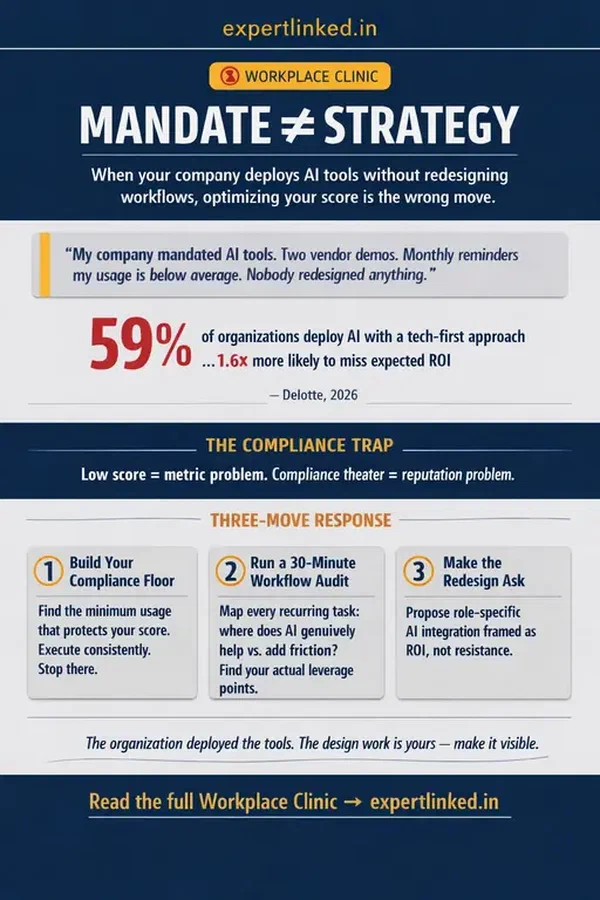
Tool deployment without workflow redesign reliably produces compliance theater — and compliance theater is more damaging to your career signals than a low adoption score.
Tool deployment without workflow redesign reliably produces compliance theater — and compliance theater is more damaging to your career signals than a low adoption score.
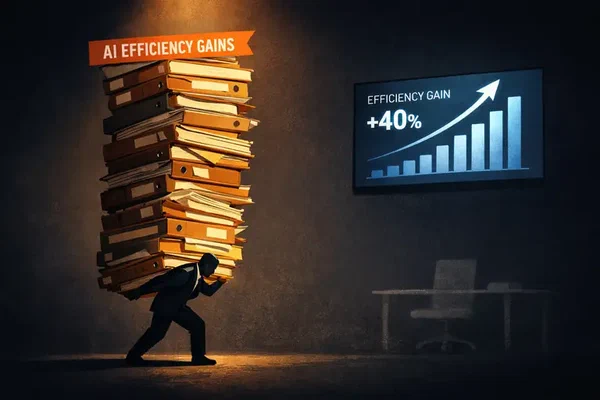
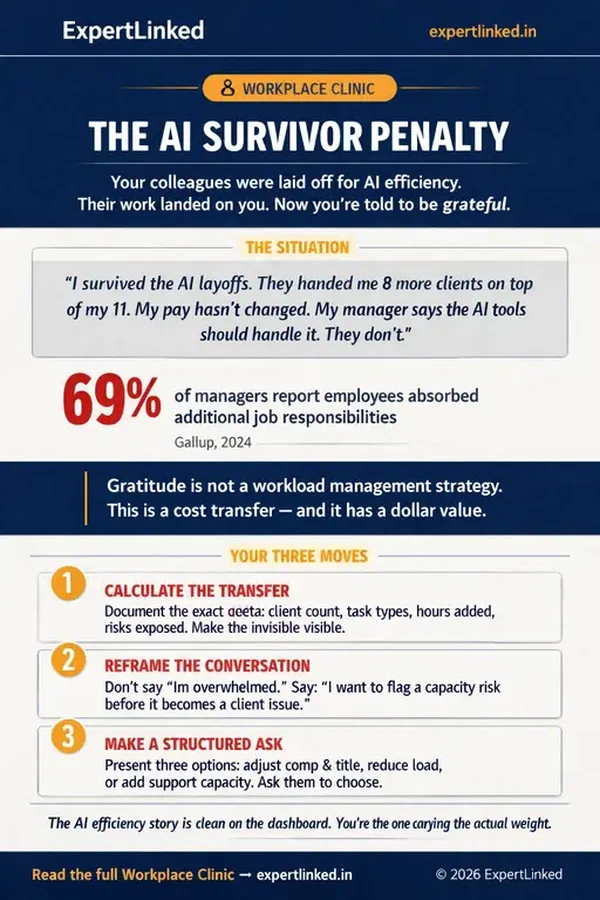
The AI efficiency dividend is being harvested by the organization, not the people who stayed. Gratitude is not a workload management strategy — here is what to do instead.
The AI efficiency dividend is being harvested by the organization, not the people who stayed. Gratitude is not a workload management strategy — here is what to do instead.
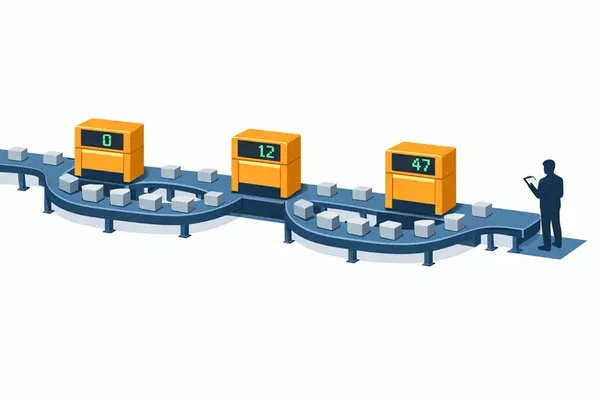
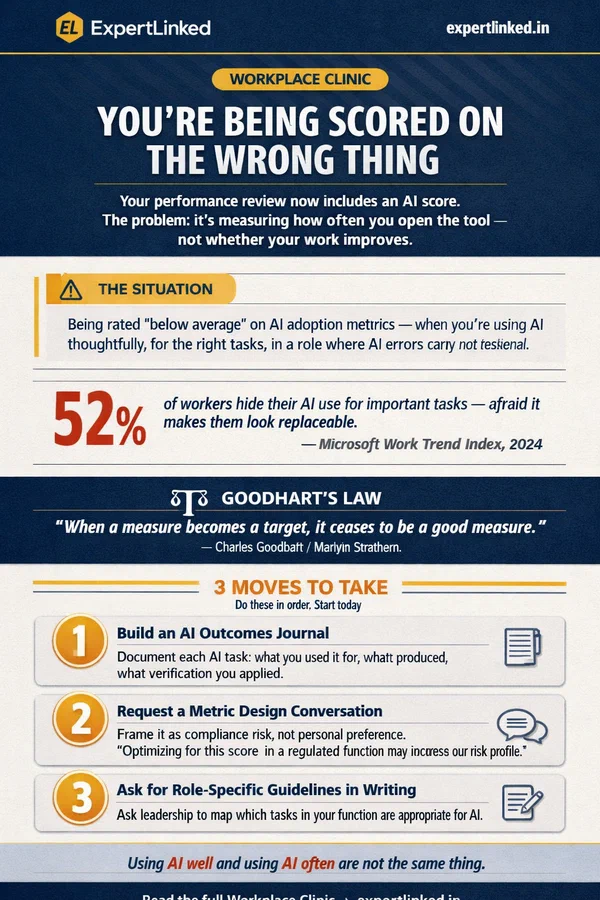
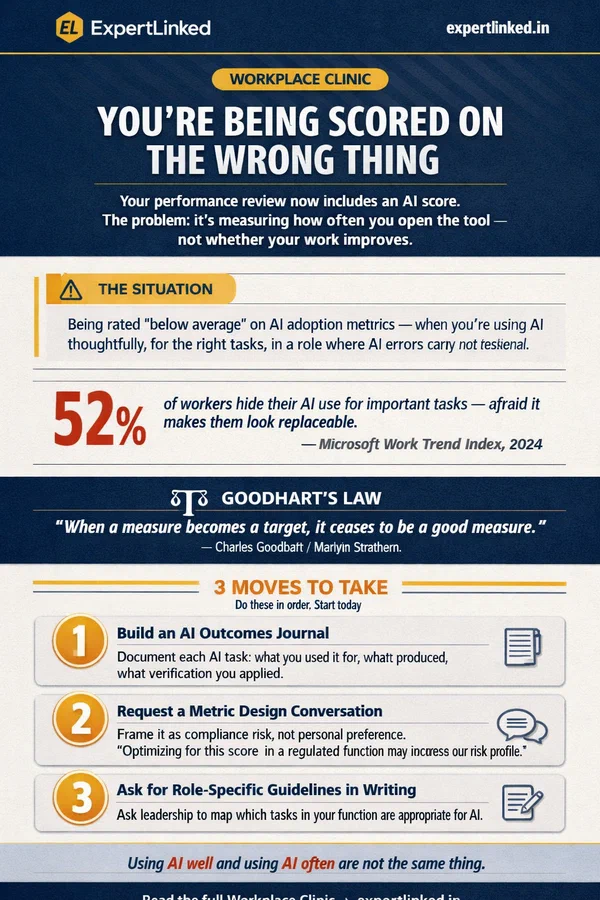
Being graded on how often you open an AI tool — not what you produce with it — is the wrong metric. Here is how to navigate it without becoming a compliance actor.
Being graded on how often you open an AI tool — not what you produce with it — is the wrong metric. Here is how to navigate it without becoming a compliance actor.