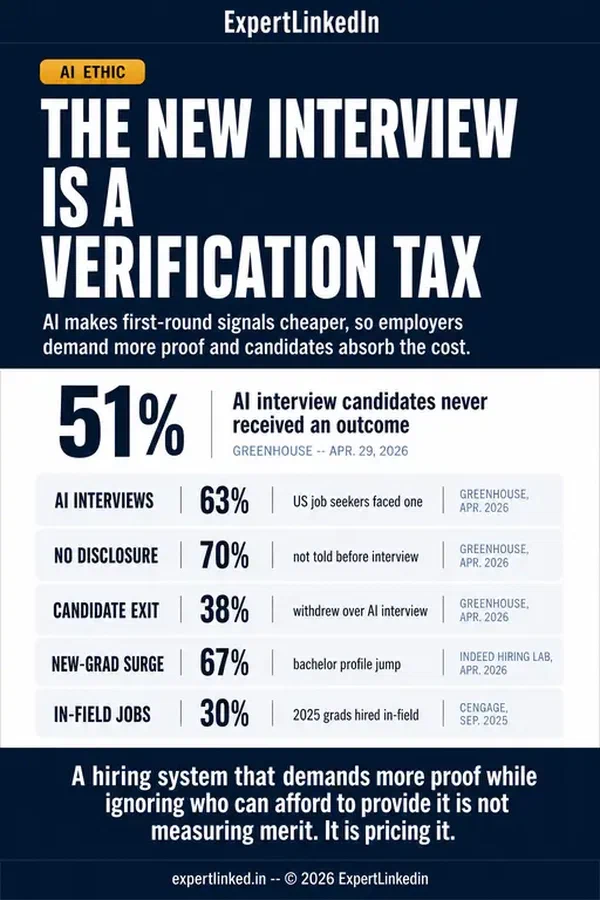
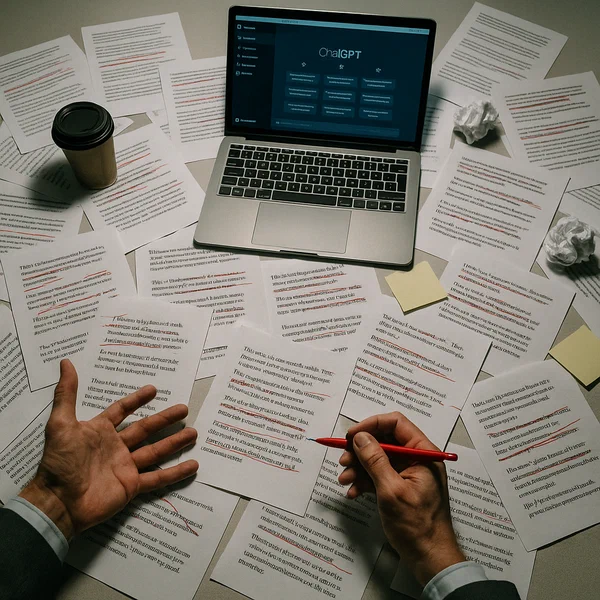
AI did not remove friction from hiring. It moved the cost of trust onto candidates through AI interviews, work samples, and verification loops that reward time, money, and calm as much as merit.
AI did not remove friction from hiring. It moved the cost of trust onto candidates through AI interviews, work samples, and verification loops that reward time, money, and calm as much as merit.
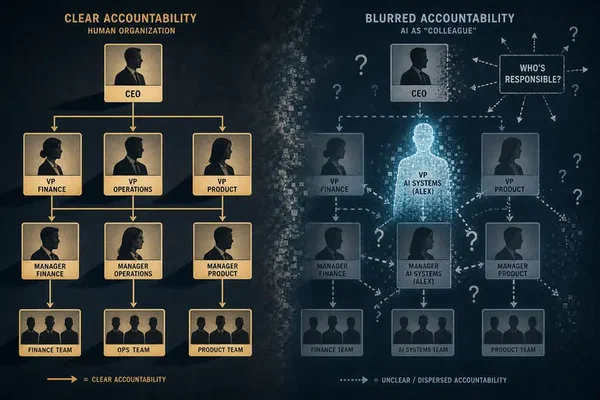
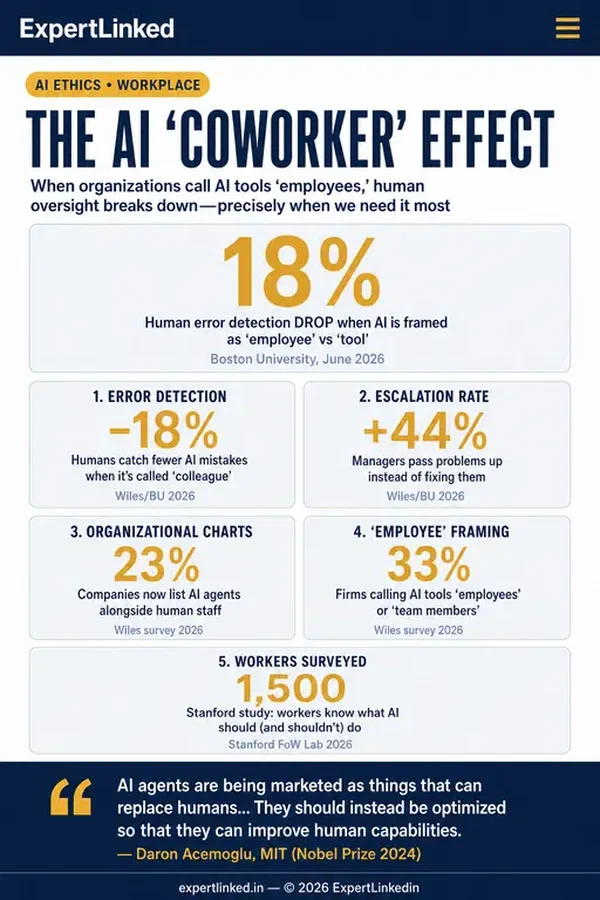
New research reveals that calling AI agents ’employees’ makes humans 18% worse at catching errors and creates dangerous accountability gaps. Why anthropomorphizing AI undermines human judgment precisely when we need it most.
New research reveals that calling AI agents ’employees’ makes humans 18% worse at catching errors and creates dangerous accountability gaps. Why anthropomorphizing AI undermines human judgment precisely when we need it most.
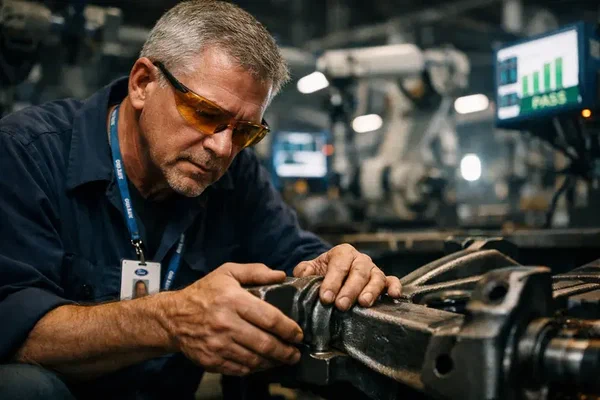
Across Ford, Anthropic, and Morgan Stanley, the same lesson emerged in one week: AI is an amplifier, and what it amplifies is the expertise already in the system — which means it also exposes what isn’t there.
This week’s layoffs-and-capex cycle reveals that AI workforce risk is less about automation magic and more about who gets to convert labor budgets into infrastructure bets.
When technical skills expire every two to four years, the real career crisis isn’t that you need to learn faster — it’s that your entire architecture of value needs rebuilding.
As AI-generated content floods workplaces with low-quality “workslop,” organizations face a productivity paradox that threatens the very efficiency gains AI promised to deliver.
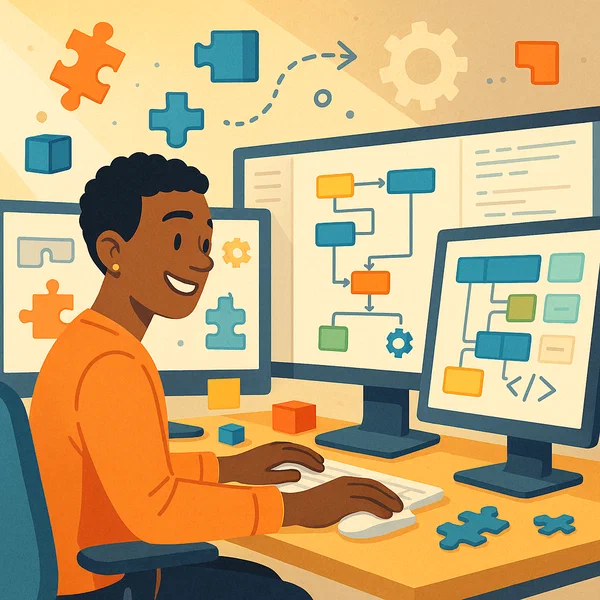
Discover how embracing low-code and no-code tools can be your career insurance policy. Learn why building without coding is the smartest way to stay relevant in an AI-driven world—no computer science degree required!
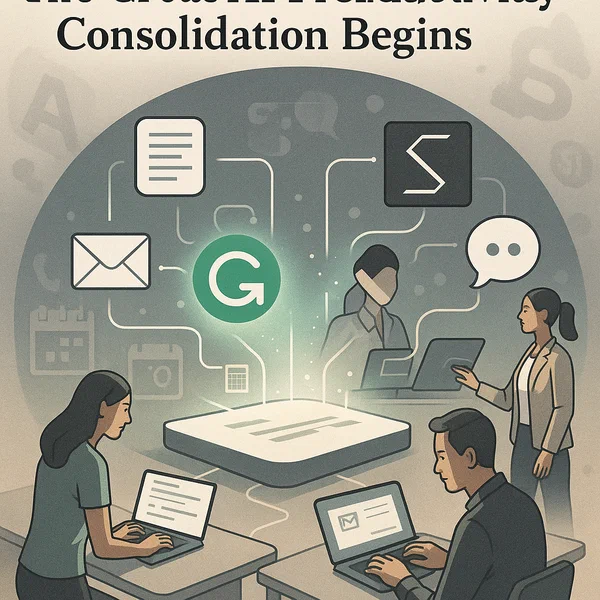
When writing assistants meet email superpowers, the result isn’t just another acquisition—it’s a blueprint for how AI productivity platforms will reshape the modern workplace.
Explore why LinkedIn’s AI writing assistant failed to gain traction and what this reveals about professional authenticity. Learn how smart workers are choosing human connection over automation in their digital communications.
Explore the critical ethical challenges as AI transforms the modern workplace. Learn how organizations can balance technological advancement with human dignity, build trust through transparent AI governance, and create ethical frameworks that protect worker rights while embracing innovation.
The future of work lies in human-AI collaboration where critical thinking, creativity, and emotional intelligence become more valuable, requiring organizations to invest in both technological adoption and human skill development.
Success in the AI era requires adopting an augmentation mindset that enhances human capabilities rather than replacing workers, focusing on task-level analysis to create blended workforce models that combine technological efficiency with irreplaceable human strengths.
Future-proof careers require developing emotional intelligence, creative problem-solving, complex communication, ethical decision-making, and human-centered skills that complement rather than compete with AI capabilities.
The 4-day workweek revolution demonstrates that reduced working hours can increase productivity, improve employee wellbeing, reduce burnout, and drive business results through focused work and better work-life integration.
The future of work prioritizes asynchronous collaboration over remote location debates, enabling flexible scheduling, reducing meeting fatigue, improving productivity, and supporting global team coordination across time zones.
Learn how AI augments human capabilities in the workplace, creating opportunities for collaboration rather than replacement in the evolving job market.
Develop future tech skills including AI literacy, data analysis, cloud computing, cybersecurity, user experience design, and adaptable learning mindset for career resilience.