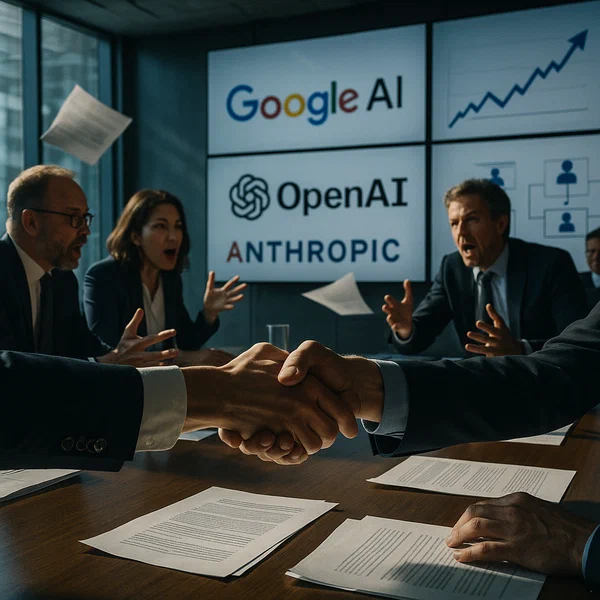
When technical skills expire every two to four years, the real career crisis isn’t that you need to learn faster — it’s that your entire architecture of value needs rebuilding.
April 2026’s best reads, tools, and ideas — all pointing at the same structural gap between the skills professionals need and the support they’re actually getting.
The convergence of AI and robotics is creating a gold rush for career transitions, with major tech players democratizing access and skills gaps widening faster than ever.
AI’s automation of entry-level work is creating an unprecedented career paradox for new graduates while experienced professionals see increased demand.
Career lilypadding emerges as the dominant career strategy for 2025, as professionals prioritize learning density over tenure length in response to rapidly evolving skill requirements.
Practical strategies for professionals experiencing AI-related career anxiety, focusing on skills mapping and strategic storytelling to pivot confidently in the AI era.
Acqui-hires and the AI talent arms race are changing how professionals pivot into AI; practical steps to leverage your transferable skills and build an AI transition portfolio.
Transform 2025’s massive layoffs from career disaster into opportunity. Get the strategic playbook for navigating corporate restructuring, identifying pivot opportunities, and positioning yourself for success during workforce transformation.
The future of work lies in human-AI collaboration where critical thinking, creativity, and emotional intelligence become more valuable, requiring organizations to invest in both technological adoption and human skill development.
Make successful career pivots by recognizing key signals like persistent daydreams and motivation loss, then strategically transitioning through skills translation, networking, and viewing setbacks as steppingstones rather than obstacles.
Navigate career transitions successfully through self-reflection to identify transferable skills, strategic networking in your target field, and building relevant experience through volunteering and side projects before making the full transition.
Future-proof careers require developing emotional intelligence, creative problem-solving, complex communication, ethical decision-making, and human-centered skills that complement rather than compete with AI capabilities.