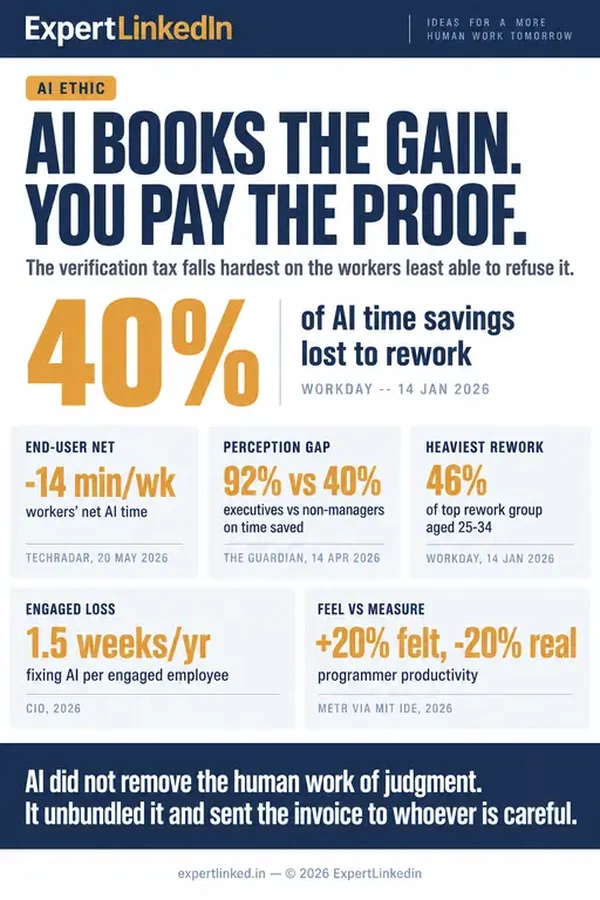
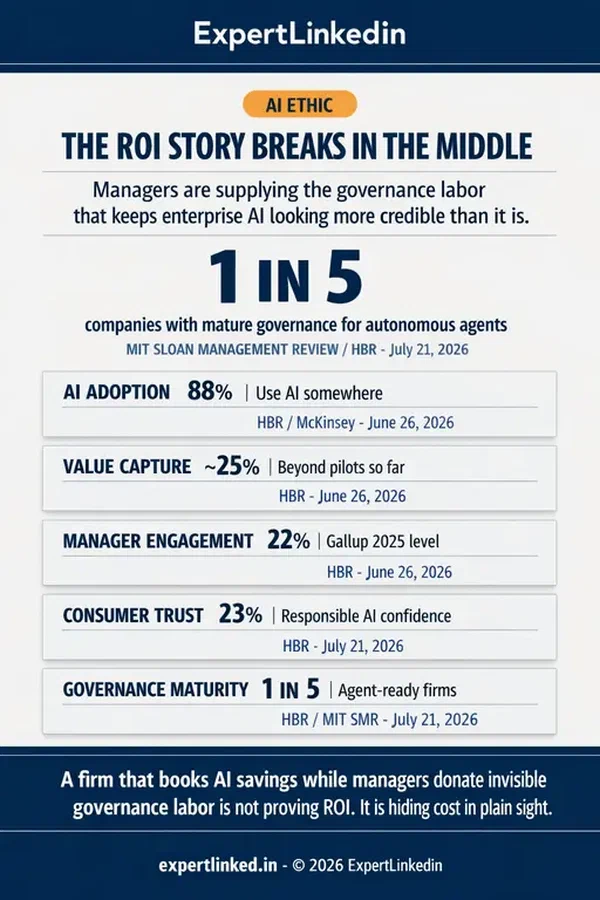
AI booked the productivity gain. Somebody still has to check, correct, and defend the output — and the evidence says that bill is landing on the most careful and most junior workers. Here is who really pays for AI speed, and why October’s calibration systems are set up to reward the wrong person.
AI booked the productivity gain. Somebody still has to check, correct, and defend the output — and the evidence says that bill is landing on the most careful and most junior workers. Here is who really pays for AI speed, and why October’s calibration systems are set up to reward the wrong person.
Founders who replace junior work with AI are not just cutting costs; they are quietly dismantling the apprenticeship layer that produces future managers, experts, and judgment.
The jobs that hold up best in the AI era will not be the ones furthest from AI, but the ones where human judgment, trust and physical context stay load-bearing and are finally paid like it.
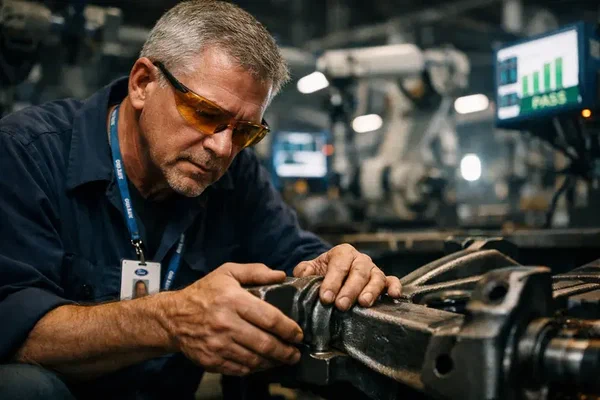
Across Ford, Anthropic, and Morgan Stanley, the same lesson emerged in one week: AI is an amplifier, and what it amplifies is the expertise already in the system — which means it also exposes what isn’t there.
Uber blew its annual AI budget in four months. Microsoft cancelled Claude Code licenses mid-year. The culprit is not model prices — it’s a structural mismatch between consumption-based AI billing and enterprise fixed-cost planning.
The central future-of-work risk in 2026 is a trust gap where firms cut entry-level pathways on AI promises that are measured faster than they are validated.
This week’s layoffs-and-capex cycle reveals that AI workforce risk is less about automation magic and more about who gets to convert labor budgets into infrastructure bets.
The next phase of workplace AI is not just automation—it is a surveillance bargain that converts how people work into the raw material for both productivity gains and tighter managerial control.
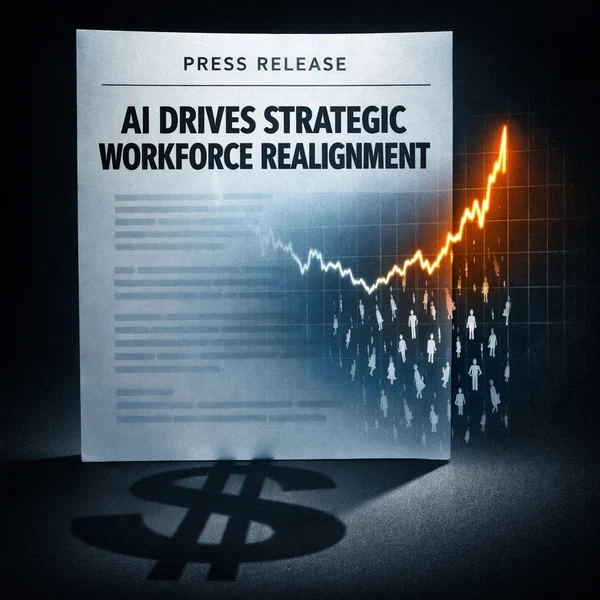
The ‘AI layoff’ headline is partly a financial narrative. Understanding which part is spin and which is signal will determine whether you pivot to safety or deeper into the storm.
As JPMorgan’s CEO urges society to start preparing for AI-driven job loss, LinkedIn personal branding has become the most accessible and powerful tool professionals have to stay visible, relevant, and hireable.
AI’s automation of entry-level work is creating an unprecedented career paradox for new graduates while experienced professionals see increased demand.
Examining the ethical dimensions of the AI skills gap and who bears responsibility for reskilling millions of workers displaced or transformed by automation.
The emergence of stateful AI coding agents marks a paradigm shift from crafting perfect prompts to cultivating evolving contexts that learn and improve over time.
AI workplace monitoring promises productivity gains but often delivers the opposite—undermining trust, creativity, and the very performance it aims to enhance.
Career lilypadding emerges as the dominant career strategy for 2025, as professionals prioritize learning density over tenure length in response to rapidly evolving skill requirements.
Executives believe 76% of employees are excited about AI adoption, but only 31% actually are—a dangerous perception gap that signals deeper leadership disconnection.
Insurance giants, safety researchers, and employees are converging on the same conclusion: AI deployment is outpacing our ability to manage its risks responsibly.
AI assistive technology is breaking down workplace barriers for neurodivergent professionals, transforming how organizations approach diversity and inclusion.
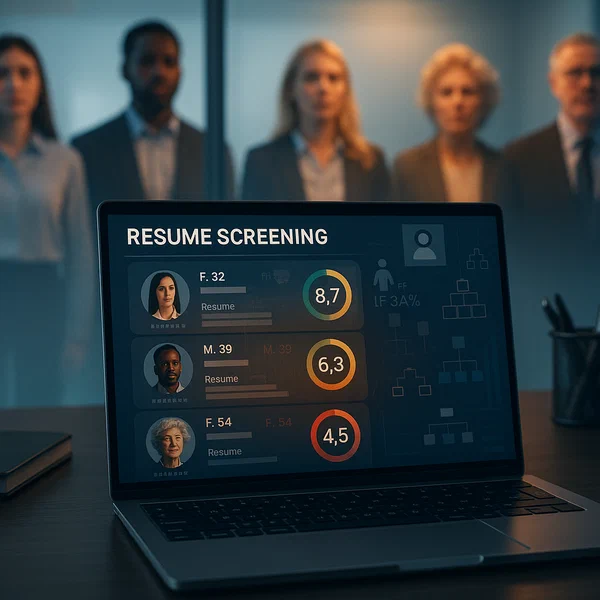
AI hiring tools promise efficiency but risk perpetuating bias—organizations must navigate the delicate balance between automation and fairness to build truly equitable workplaces.
As AI-generated content floods workplaces with low-quality “workslop,” organizations face a productivity paradox that threatens the very efficiency gains AI promised to deliver.
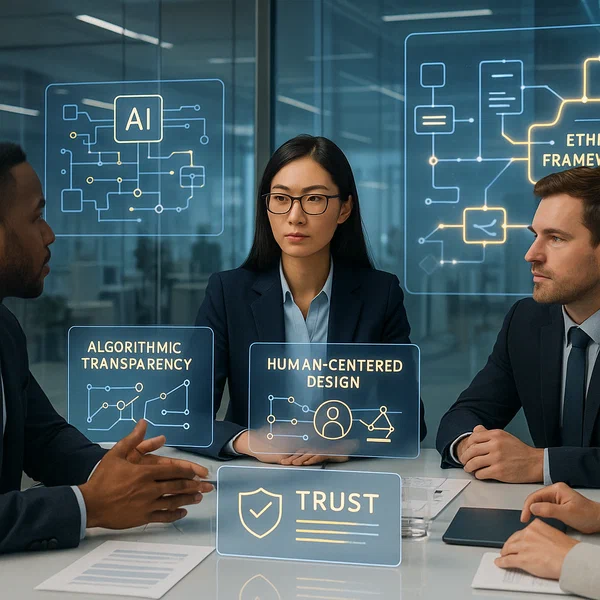
As AI reshapes the modern workplace, new ethical challenges around trust, transparency, and human dignity are emerging that require immediate attention from leaders and policymakers.
Discover how embracing low-code and no-code tools can be your career insurance policy. Learn why building without coding is the smartest way to stay relevant in an AI-driven world—no computer science degree required!
When AI algorithms decide who gets hired, promoted, or fired, employees deserve to know how these decisions are made—but most companies aren’t ready for that conversation.