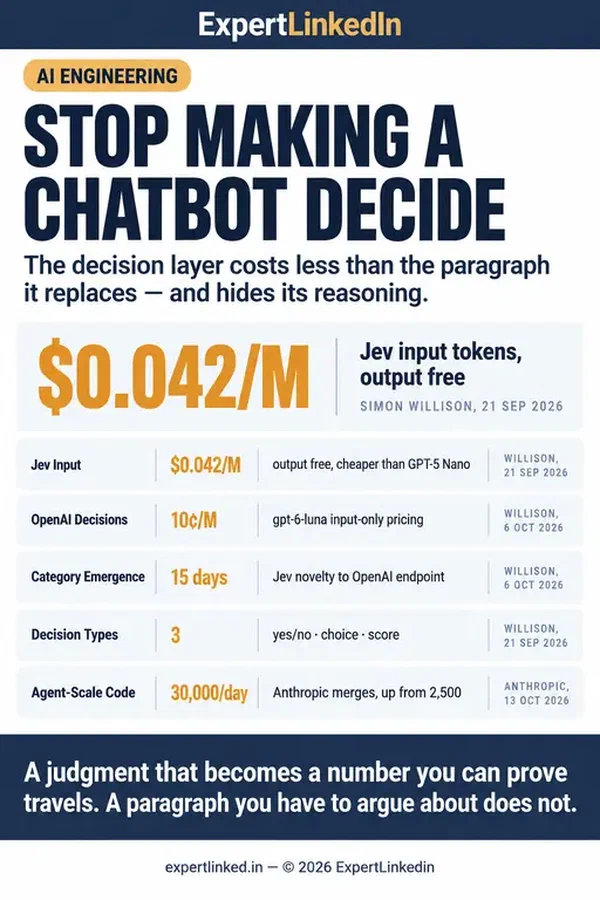
In four weeks, ‘return a decision instead of a paragraph’ went from one startup’s novelty to an OpenAI endpoint and a research subfield. Decision-native models are becoming the cheapest, most testable layer in the AI stack — and the hardest to interrogate. Here is how to split expression from judgment, and why a number you cannot prove is a liability.
In four weeks, ‘return a decision instead of a paragraph’ went from one startup’s novelty to an OpenAI endpoint and a research subfield. Decision-native models are becoming the cheapest, most testable layer in the AI stack — and the hardest to interrogate. Here is how to split expression from judgment, and why a number you cannot prove is a liability.
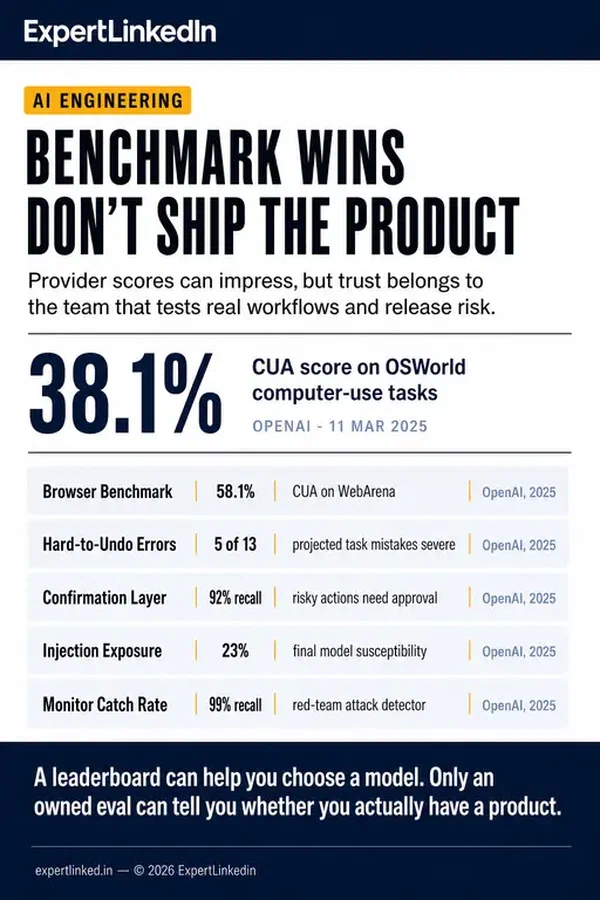
Benchmarks can narrow a model choice, but they do not tell you whether your agent survives your workflow. As providers turn tracing and post-deployment evaluation into first-class tools, the team that owns the eval suite is becoming the team that truly owns the AI product.
Benchmarks can narrow a model choice, but they do not tell you whether your agent survives your workflow. As providers turn tracing and post-deployment evaluation into first-class tools, the team that owns the eval suite is becoming the team that truly owns the AI product.
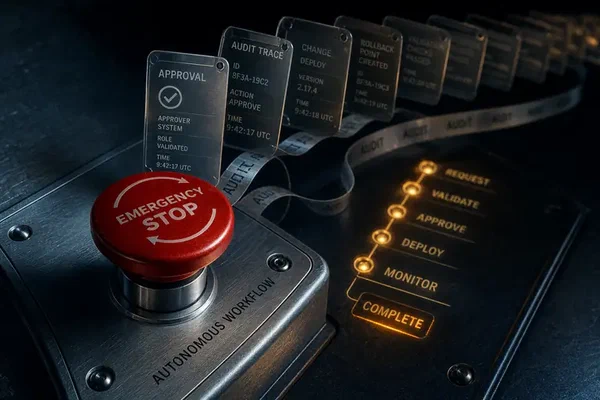
The flashiest agent demo is not the durable advantage. As AI platforms formalize confirmations, traces, and resumable tasks, the real moat is the recovery layer that pauses bad runs before they become user harm.
A bigger context window will not save your agent. Once it starts carrying user preferences, tool outputs, and half-finished tasks across turns, memory becomes a product, audit, and governance surface.
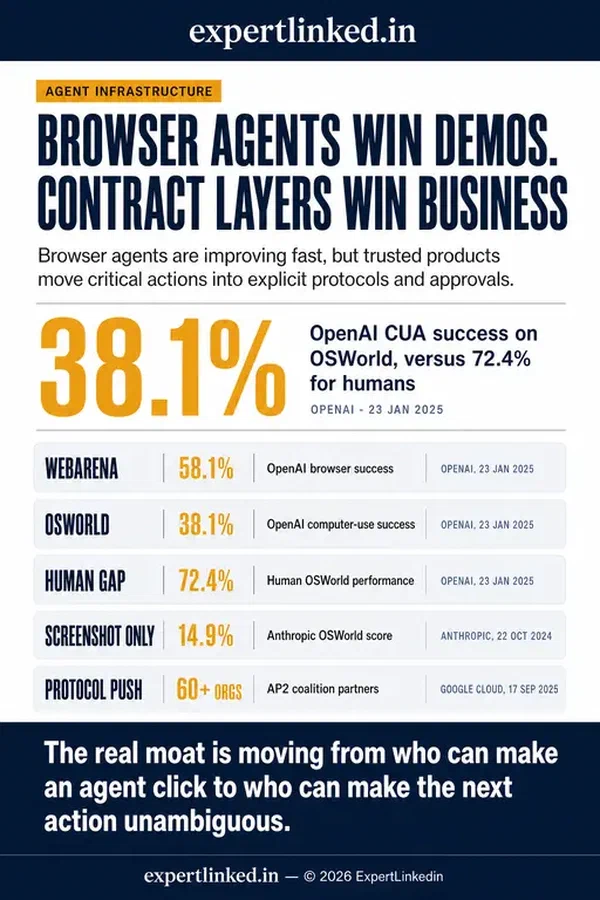
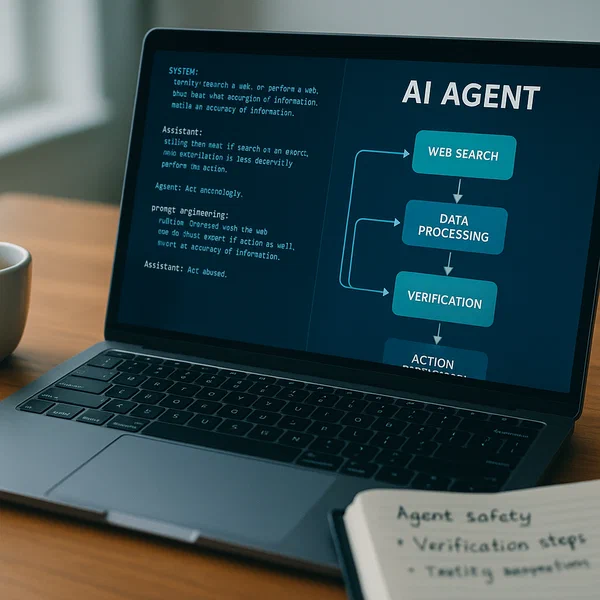
Computer-use agents are improving fast, but the teams that win will not be the ones with the prettiest browser demo. They will be the ones that turn critical actions into explicit contracts, scoped authority, and agent-ready workflows.
Computer-use agents are improving fast, but the teams that win will not be the ones with the prettiest browser demo. They will be the ones that turn critical actions into explicit contracts, scoped authority, and agent-ready workflows.
Uber blew its annual AI budget in four months. Microsoft cancelled Claude Code licenses mid-year. The culprit is not model prices — it’s a structural mismatch between consumption-based AI billing and enterprise fixed-cost planning.
Microsoft’s own security team just found critical RCE in Microsoft’s own AI agent framework. The same flaw pattern shows up in Semantic Kernel, Claude Code, CrewAI, and LangChain. It is not a coincidence — it is a shared architectural assumption that was always wrong.
ClawSwarm, RAG poisoning, and the Cursor-Opus production database deletion all happened this week — and none of them triggered a security alert, because none of them involved malicious code.
AI recommendation poisoning is already in production across 31 companies and 14 industries. Here’s what prompt engineers need to understand before their enterprise AI deployments are compromised.
Vibe coding has democratized software creation, but the speed-without-understanding approach is accumulating a dangerous security and technical debt bill.
Running multiple AI coding agents in parallel is the hottest new developer trend—but research shows most teams are doing it wrong, making this a critical moment for product managers to rethink how they measure and structure AI-augmented engineering.
Extended thinking capabilities are transforming prompt engineering from an art of precision phrasing to a strategic dance between human guidance and machine reasoning.
The emergence of stateful AI coding agents marks a paradigm shift from crafting perfect prompts to cultivating evolving contexts that learn and improve over time.
Context engineering is replacing traditional prompt engineering as AI professionals shift from crafting clever prompts to designing comprehensive information ecosystems for AI agents.
Microsoft just committed $25B to AI infrastructure in one week, while a prompt optimization startup raised $6.5M—enterprise is going all-in on AI agents.
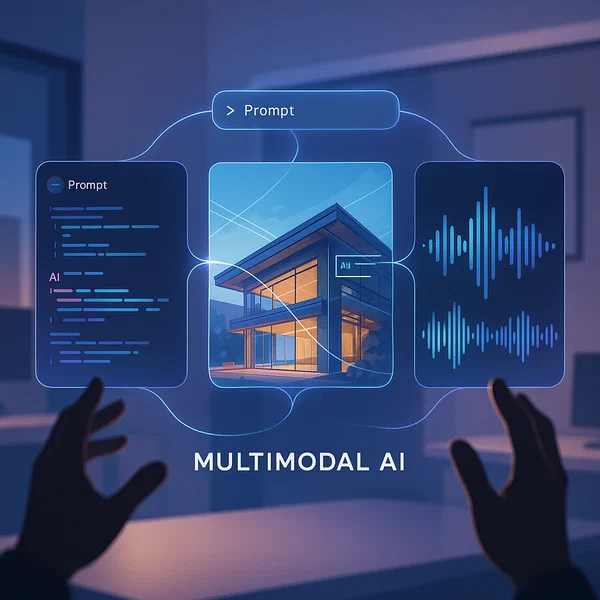
The evolution of multimodal AI systems demands a new approach to prompt engineering, where crafting effective prompts requires understanding the interplay between text, images, and audio to unlock unprecedented capabilities in human-AI interaction.
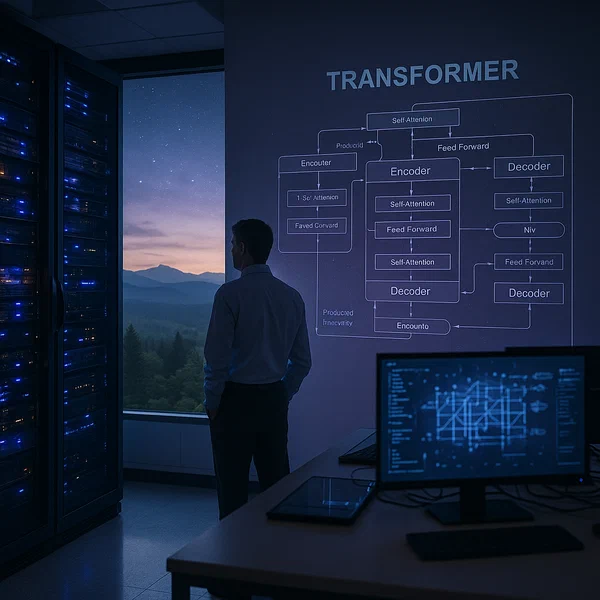
One of the original architects of the transformer model is now urging the AI community to look beyond it. Is the technology that sparked a revolution now holding us back from the next one?
OpenAI and Microsoft’s rush to deploy AI browser agents exposes users to prompt injection attacks that could compromise emails, passwords, and personal data.
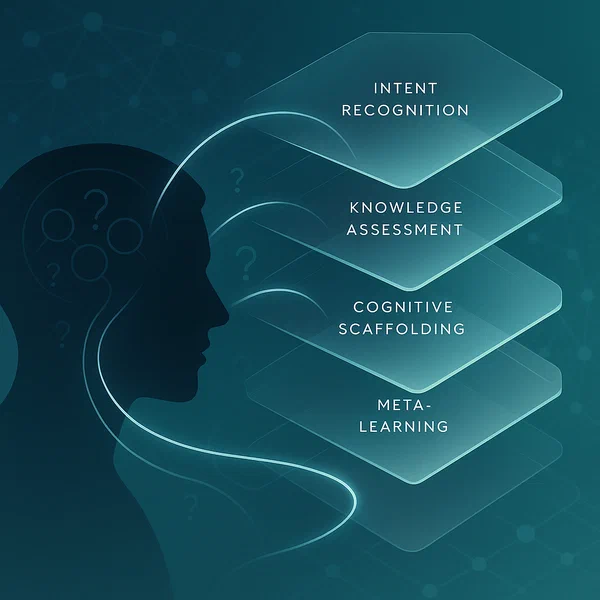
OpenAI’s Study Mode represents a breakthrough in prompt engineering that implements meta-cognitive learning strategies. This technical analysis explores how the system uses sophisticated prompt architecture to transform AI from answer machines into cognitive partners, revealing the future of educational AI and human-computer interaction.
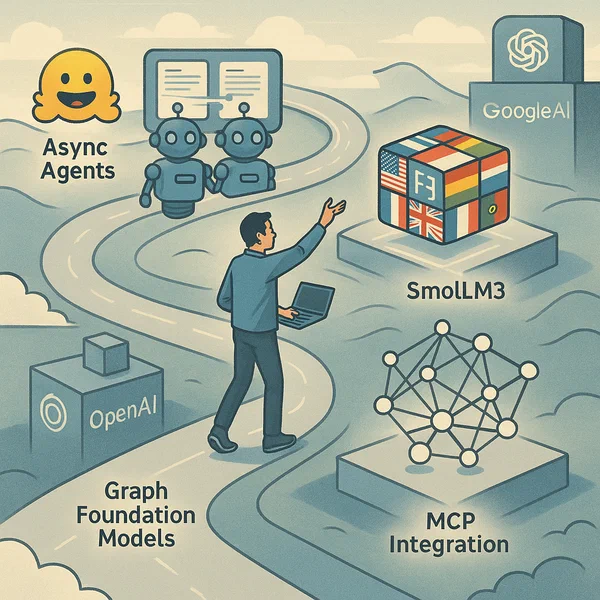
July 2025 brought major LLM breakthroughs including Hugging Face’s asynchronous robot inference, SmolLM3’s multilingual capabilities, OpenAI’s collaboration expansions, and Google’s graph foundation models—signaling the next wave of prompt engineering innovation.
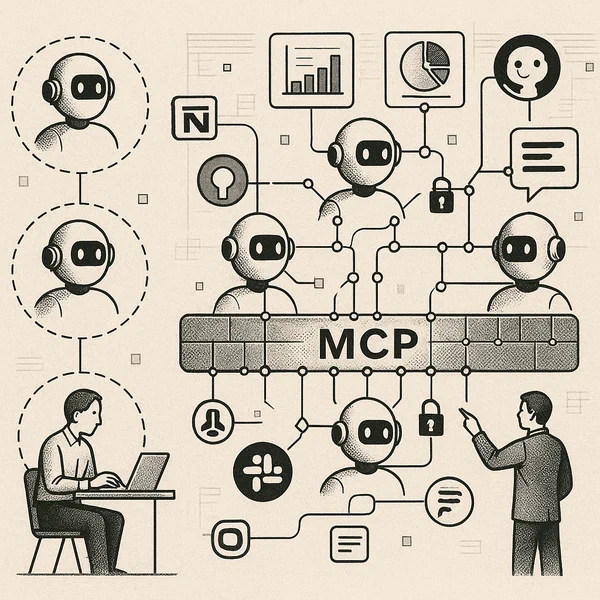
While AGI debates dominate headlines, the Model Context Protocol (MCP) quietly builds the Internet of AI Agents—enabling seamless AI-to-AI communication, knowledge sharing, and collaborative intelligence that transforms how AI systems work together.
Explore Cursor’s groundbreaking web dashboard that orchestrates multiple AI coding agents for unprecedented developer productivity. Discover how this revolutionary platform is transforming software development through true AI partnership and agent-driven programming.
Navigate the chaos of OpenAI’s GPT-4.5 API deprecation and learn critical lessons for prompt engineering resilience. Discover how developer teams adapted, what went wrong, and essential strategies for building reliable LLM-powered applications.
Explore the elegant beauty of AI agent collaboration through Google’s revolutionary Agent2Agent protocol. Learn how structured prompt patterns are creating more efficient multi-agent systems that communicate with the grace of seasoned musicians in a symphony.