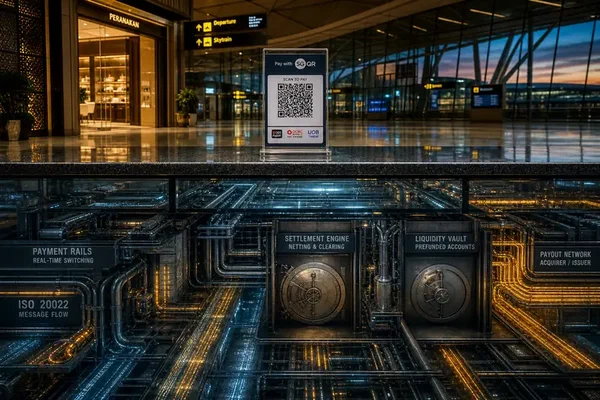
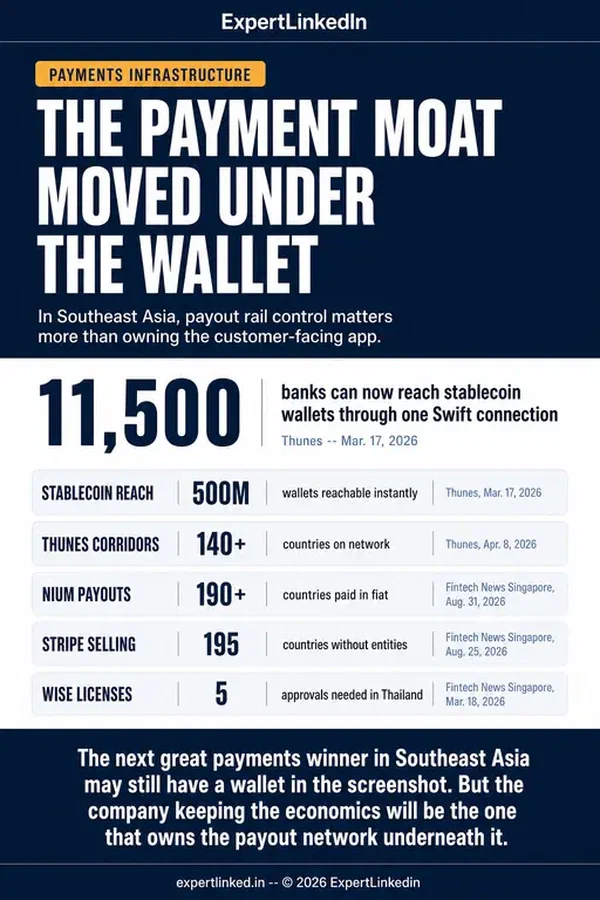
Consumer wallets still take the headline in Southeast Asia. The harder-to-copy asset now sits underneath them: licensed payout and settlement networks that move money across borders, rails, and weekends without forcing merchants to rebuild the front end.
Consumer wallets still take the headline in Southeast Asia. The harder-to-copy asset now sits underneath them: licensed payout and settlement networks that move money across borders, rails, and weekends without forcing merchants to rebuild the front end.
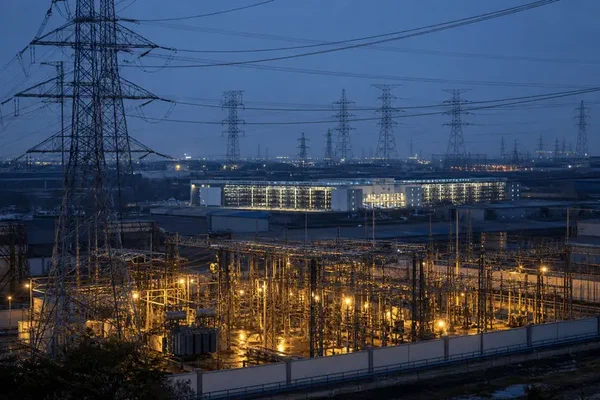
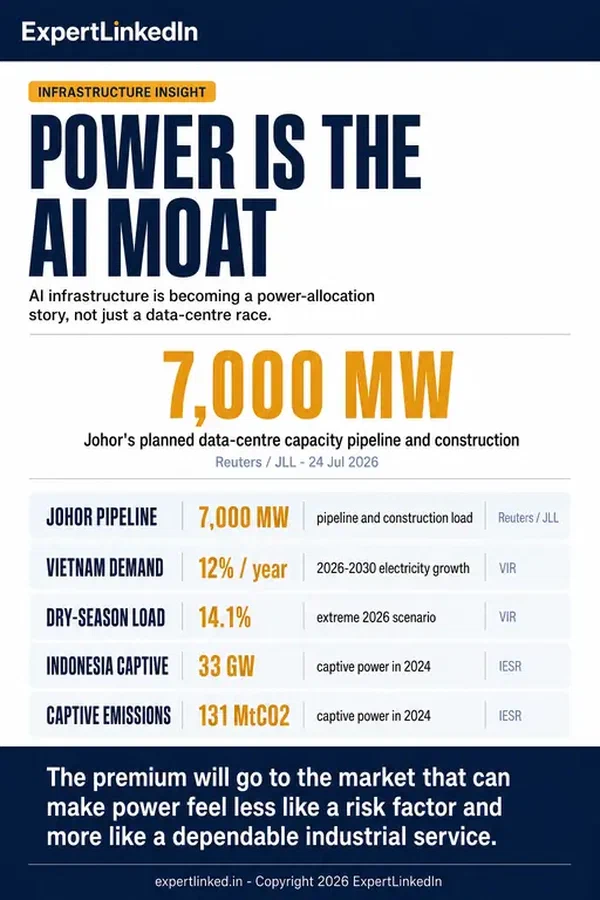
Southeast Asia’s AI build-out is colliding with a physical constraint the hype cycle keeps understating: reliable power. Johor, Vietnam, and Indonesia show that the next winners will be the markets that can turn electricity, grid access, and carbon discipline into predictable industrial capacity.
Southeast Asia’s AI build-out is colliding with a physical constraint the hype cycle keeps understating: reliable power. Johor, Vietnam, and Indonesia show that the next winners will be the markets that can turn electricity, grid access, and carbon discipline into predictable industrial capacity.
Money20/20 Asia called it: the infrastructure era is done. The BIS called out the structural fragility of the dollar-denominated rails it runs on. These are the same story, and OCBC’s dual move this week is the most honest answer either side has offered.
This week’s most important Southeast Asia fintech story is that macro stress is turning payment infrastructure from a convenience feature into an economic resilience tool.
Agentic commerce arrived in Southeast Asia this week, and the more interesting story is what the region’s payment platforms reveal about whether they’re ready to be where the agents shop.
The tariff anniversary week that mattered wasn’t for what it revealed about factories. It was for what it revealed about the alternative architecture Southeast Asia has been quietly building.
The week stablecoins became boring, Vietnam asserted control over $200 billion in offshore crypto flows, and two events on the same day captured everything awkward about banking’s AI transition.
This week: Kredivo buys its way into Vietnam via the Timo acquisition, an IMF report confirms Thailand leads ASEAN in digital payments while scam losses mount, and Grab’s proposed voting rights restructure raises hard governance questions for the region’s largest super-app.
Three signals from one week: Vietnam becomes SEA’s first country with a binding AI law, Money20/20’s APAC report declares the region has moved from pilots to production, and the UBS OneASEAN Summit puts 4.9% GDP growth on the record.
DBS-Visa AI agent payments, the Philippines’ dual IPO race, and Indonesia’s new digital innovation hub all point to the same quiet shift: Southeast Asia is building financial infrastructure, not just fintech apps.