AI is the site’s umbrella for practical analysis of artificial intelligence in business, technology, and professional life. This series focuses less on hype and more on what teams, leaders, and knowledge workers can actually learn from the technology as it moves from experiment to infrastructure.
The coverage spans machine learning, AI engineering, AI ethics, healthcare applications, applied AI, and the news signals that show where the industry is heading next. The goal is to help readers separate durable shifts from temporary noise.
Series map
#
- Machine Learning - model behavior, training methods, evaluation, and the technical choices behind AI systems.
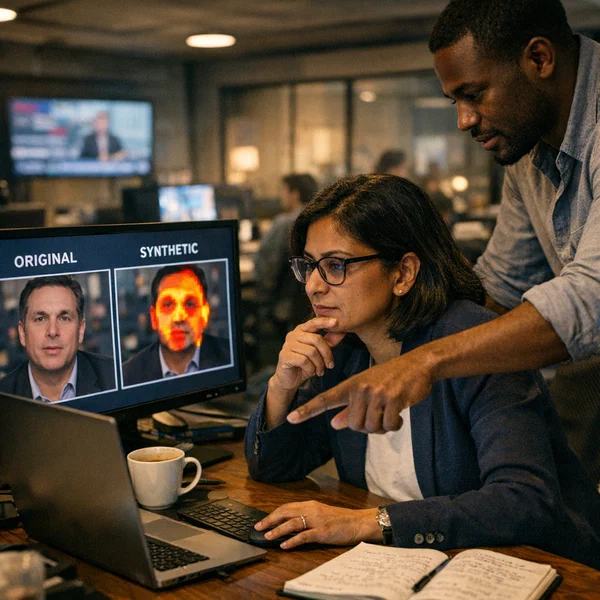
- AI News - timely analysis of major product launches, policy moves, and market signals.
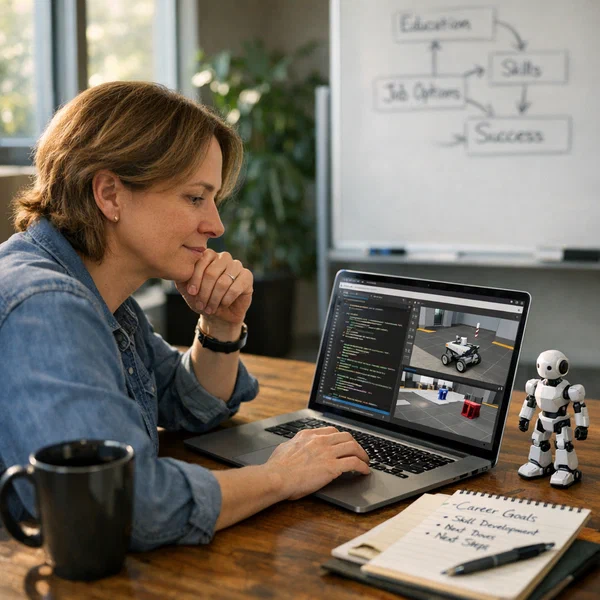
- AI Engineering - deployment, reliability, evaluation, observability, and the hard work of making AI useful in production.
- AI Ethics - governance, accountability, bias, transparency, and the human consequences of AI adoption.
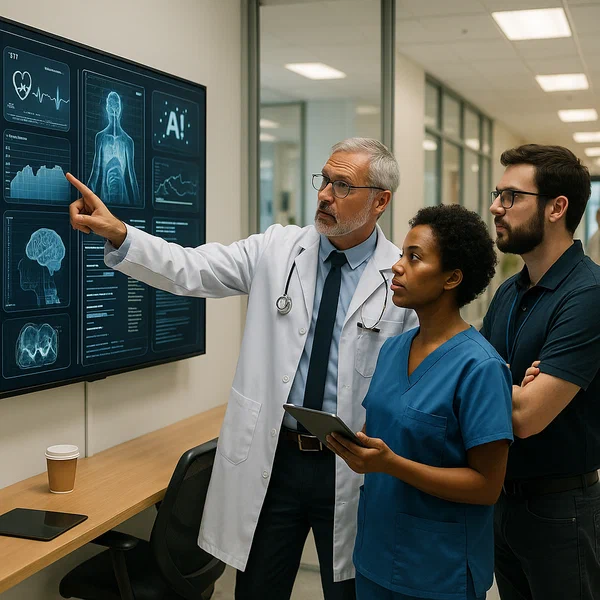
- AI in Healthcare - clinical, operational, and ethical uses of AI in medical settings.
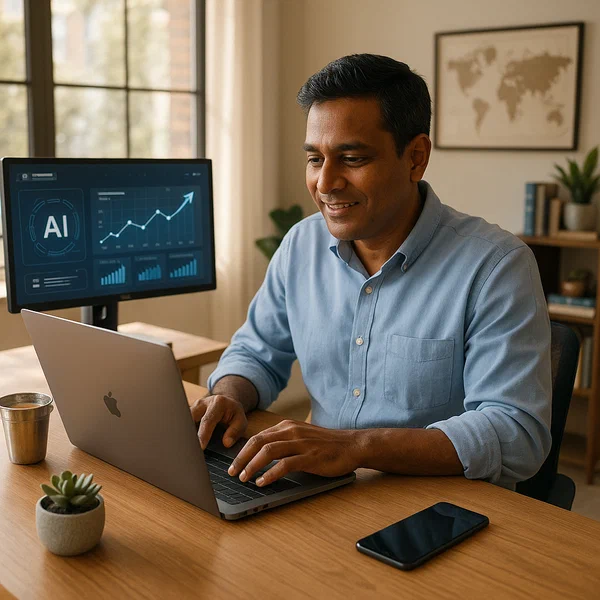
- Applied AI - real-world implementations across marketing, finance, operations, software, and professional services.
The authors
#
- Alex Winters writes AI News and Applied AI with a focus on market signals, product strategy, and what new launches mean for working professionals.
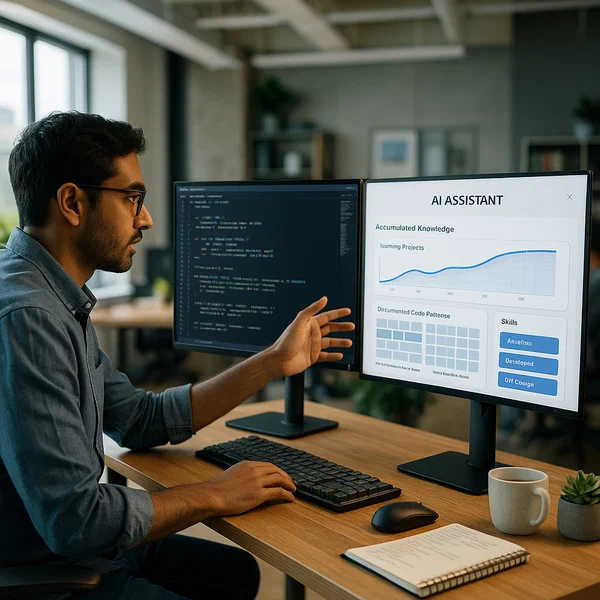
- Emily Chen writes AI Engineering and Machine Learning with a measured, technically grounded voice for readers who want practical clarity.
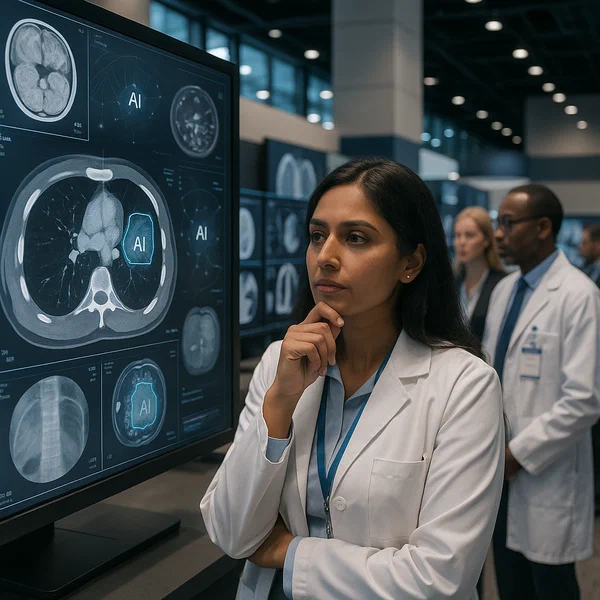
- Sophia Patel writes AI in Healthcare, with a strong focus on clinical deployment, health equity, diagnostics, drug discovery, and the governance required to make medical AI safe in practice.
- Victoria Sterling writes AI Ethics, bringing a governance-first perspective to high-stakes adoption.
What readers can expect
#
- Analysis that connects technical developments to business decisions.
- Clear explanations without flattening the complexity.
- Real examples from companies, products, regulations, and teams.
- A skeptical view of hype, especially when the risks are being outsourced to users.
- Practical lessons for leaders and professionals who need to act before the landscape settles.
If you want to understand AI beyond demos, roadmaps, and breathless predictions, start here.