Gmail’s Gemini-powered inbox features are rewriting the rules of corporate email communication, forcing B2B marketers to rethink decades of established practices.
Slingshot AI’s UK withdrawal reveals the urgent need for clear regulatory frameworks governing AI mental health tools operating in the gray zone between wellness apps and medical devices.
Extended thinking capabilities are transforming prompt engineering from an art of precision phrasing to a strategic dance between human guidance and machine reasoning.
The January 2026 launches of ChatGPT Health and Claude for Healthcare represent both tremendous promise and serious peril for the future of AI in medicine.
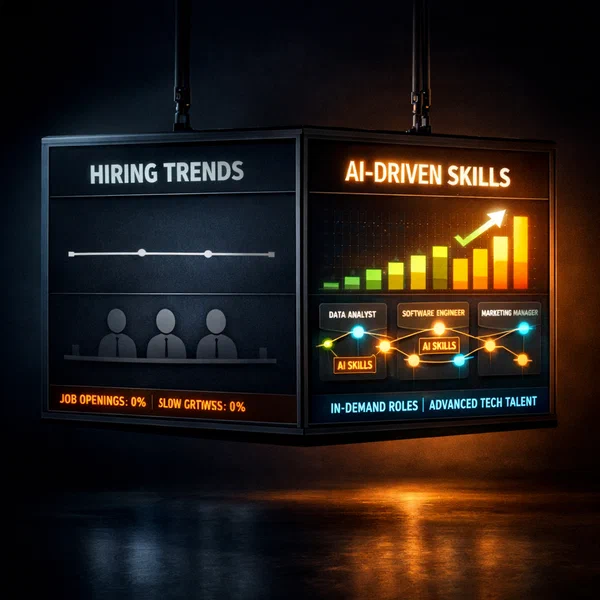
The convergence of AI and robotics is creating a gold rush for career transitions, with major tech players democratizing access and skills gaps widening faster than ever.
OpenAI and industry leaders acknowledge persistent AI security vulnerabilities, highlighting the urgent need for honest risk communication and stronger governance as AI deployment accelerates.
Examining the ethical dimensions of the AI skills gap and who bears responsibility for reskilling millions of workers displaced or transformed by automation.
AI automation is no longer just for tech giants—discover how small businesses can leverage ChatGPT’s new app store and autonomous AI agents to compete effectively in 2025
AI deepfakes are creating a professional authenticity crisis, forcing LinkedIn users to rethink how they establish trust in an era where seeing is no longer believing.
The emergence of stateful AI coding agents marks a paradigm shift from crafting perfect prompts to cultivating evolving contexts that learn and improve over time.
LinkedIn’s verification milestone reveals a fundamental tension in modern corporate strategy between proving authenticity and automating professional presence.
AI workplace monitoring promises productivity gains but often delivers the opposite—undermining trust, creativity, and the very performance it aims to enhance.
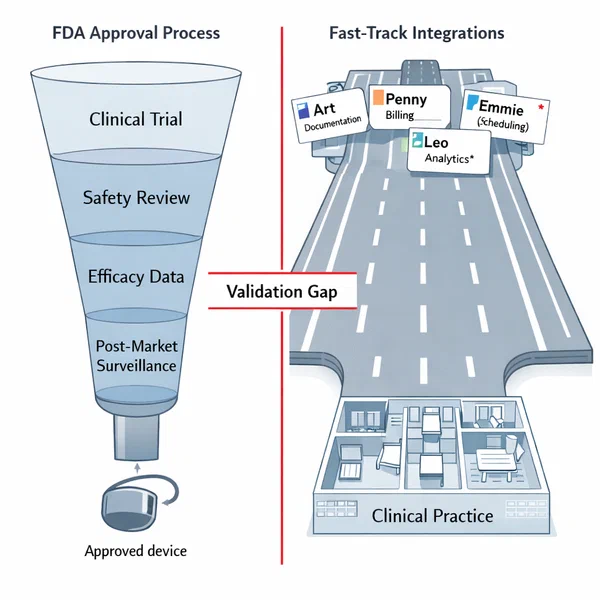
The explosion of AI tools in medical imaging reveals a critical validation gap—innovation velocity is outpacing clinical evidence, creating challenges for patient care and radiologist workflows.
Venture capitalists are deploying a ‘kingmaking’ strategy to crown AI startup winners in their infancy, fundamentally changing how founders compete for funding and market position.
LinkedIn’s AI training data policy that went live November 3rd requires corporate LinkedIn strategists to fundamentally rethink content, privacy messaging, and employee advocacy approaches.
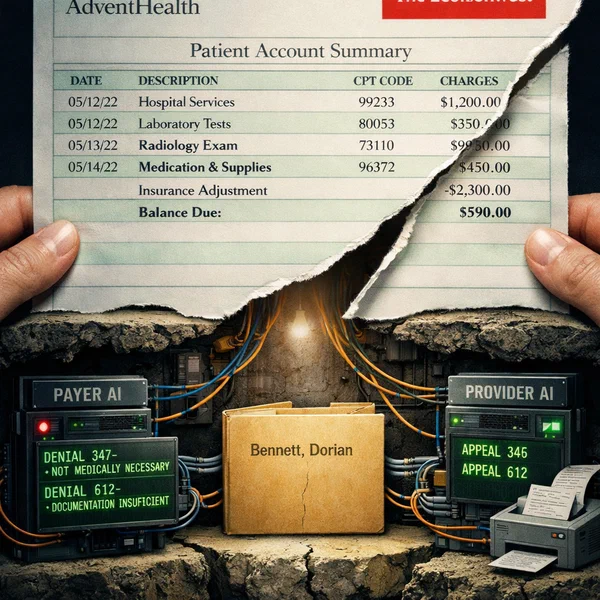
Insurance giants, safety researchers, and employees are converging on the same conclusion: AI deployment is outpacing our ability to manage its risks responsibly.
Context engineering is replacing traditional prompt engineering as AI professionals shift from crafting clever prompts to designing comprehensive information ecosystems for AI agents.
Brain organoids are evolving from research tools to computational platforms, creating both unprecedented opportunities and urgent ethical dilemmas in healthcare AI.
Small businesses are deploying AI agents as autonomous digital workers that handle everything from customer service to operations, often for less than a single employee’s salary.
AI assistive technology is breaking down workplace barriers for neurodivergent professionals, transforming how organizations approach diversity and inclusion.
AI hiring tools promise efficiency but risk perpetuating bias—organizations must navigate the delicate balance between automation and fairness to build truly equitable workplaces.
Microsoft just committed $25B to AI infrastructure in one week, while a prompt optimization startup raised $6.5M—enterprise is going all-in on AI agents.
The evolution of multimodal AI systems demands a new approach to prompt engineering, where crafting effective prompts requires understanding the interplay between text, images, and audio to unlock unprecedented capabilities in human-AI interaction.
AI-powered early disease detection systems are revolutionizing preventive healthcare by identifying diseases years before traditional methods, but successful implementation requires addressing algorithmic bias, clinical integration challenges, and maintaining the essential human element in medical care.
The proliferation of AI-generated content is creating a feedback loop that threatens AI model quality. Addressing this requires urgent ethical frameworks around data provenance and synthetic data management.
Effective AI model governance requires moving beyond compliance checklists to create accountability frameworks that embed ethical considerations throughout the AI lifecycle while maintaining operational agility.