OpenAI and industry leaders acknowledge persistent AI security vulnerabilities, highlighting the urgent need for honest risk communication and stronger governance as AI deployment accelerates.
Examining the ethical dimensions of the AI skills gap and who bears responsibility for reskilling millions of workers displaced or transformed by automation.
AI deepfakes are creating a professional authenticity crisis, forcing LinkedIn users to rethink how they establish trust in an era where seeing is no longer believing.
LinkedIn’s verification milestone reveals a fundamental tension in modern corporate strategy between proving authenticity and automating professional presence.
AI workplace monitoring promises productivity gains but often delivers the opposite—undermining trust, creativity, and the very performance it aims to enhance.
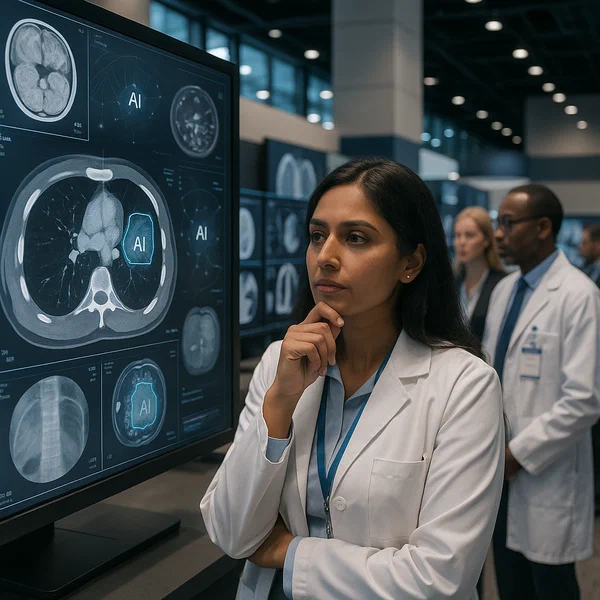
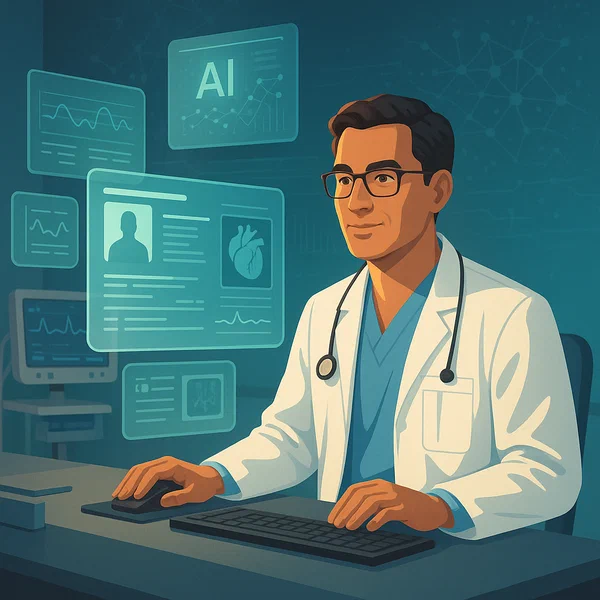
The explosion of AI tools in medical imaging reveals a critical validation gap—innovation velocity is outpacing clinical evidence, creating challenges for patient care and radiologist workflows.
LinkedIn’s AI training data policy that went live November 3rd requires corporate LinkedIn strategists to fundamentally rethink content, privacy messaging, and employee advocacy approaches.
Insurance giants, safety researchers, and employees are converging on the same conclusion: AI deployment is outpacing our ability to manage its risks responsibly.
Brain organoids are evolving from research tools to computational platforms, creating both unprecedented opportunities and urgent ethical dilemmas in healthcare AI.
AI assistive technology is breaking down workplace barriers for neurodivergent professionals, transforming how organizations approach diversity and inclusion.
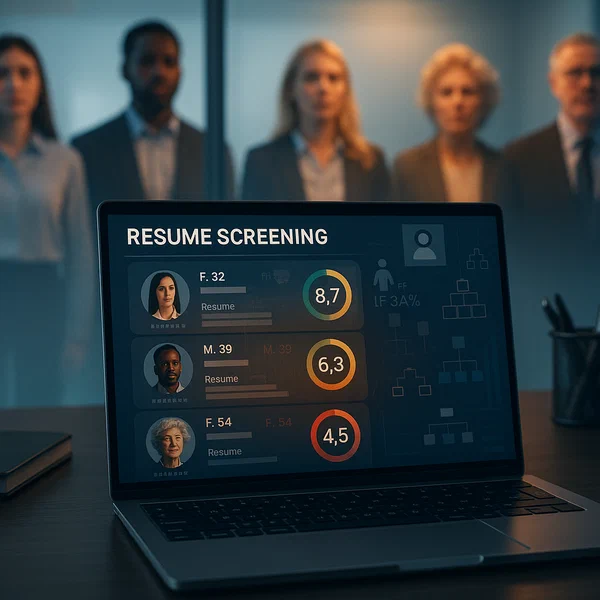
AI hiring tools promise efficiency but risk perpetuating bias—organizations must navigate the delicate balance between automation and fairness to build truly equitable workplaces.
The proliferation of AI-generated content is creating a feedback loop that threatens AI model quality. Addressing this requires urgent ethical frameworks around data provenance and synthetic data management.
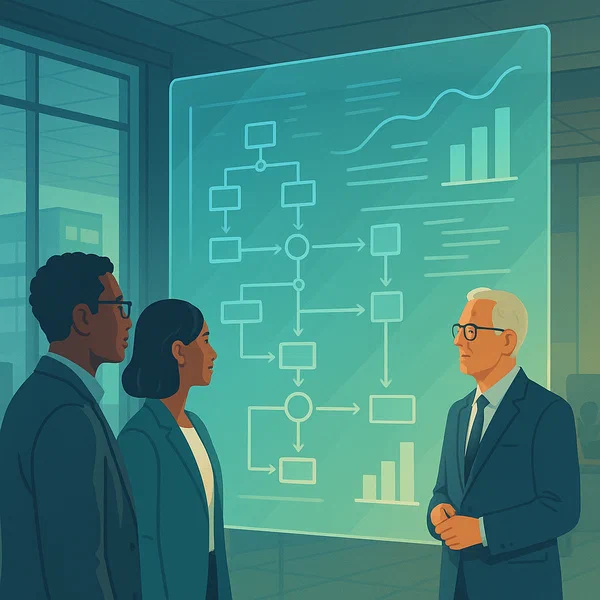
Effective AI model governance requires moving beyond compliance checklists to create accountability frameworks that embed ethical considerations throughout the AI lifecycle while maintaining operational agility.
As AI-generated content floods workplaces with low-quality “workslop,” organizations face a productivity paradox that threatens the very efficiency gains AI promised to deliver.
OpenAI and Microsoft’s rush to deploy AI browser agents exposes users to prompt injection attacks that could compromise emails, passwords, and personal data.
AI models are revolutionizing heart attack risk prediction, but responsible deployment and regulatory oversight are essential to ensure equitable, safe, and effective care.
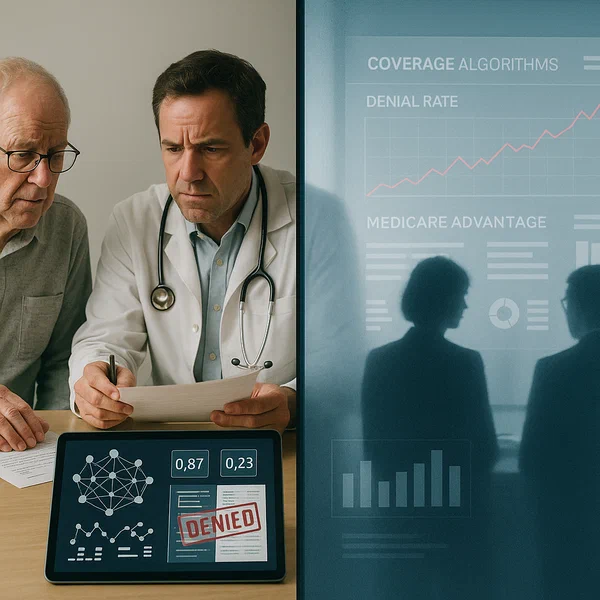
Senator demands AI disclosure from Medicare insurers as Coalition for Health AI faces political attack, exposing dangerous accountability vacuum in clinical automation.
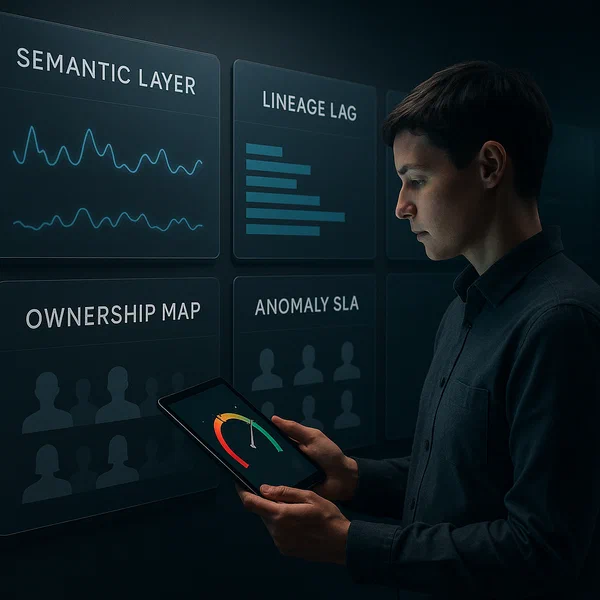
A wave of ‘AI trust layer’ launches won’t fix the 80% enterprise AI failure rate unless organizations convert abstractions into named ownership, lineage instrumentation, and escalation muscle.
As AI reshapes the modern workplace, new ethical challenges around trust, transparency, and human dignity are emerging that require immediate attention from leaders and policymakers.
Epic’s AI agents and foundational models represent a pivotal moment in healthcare technology, potentially revolutionizing clinical workflows while raising critical questions about AI governance and patient care standards.
The rise of AI model betting and enduring lottery cultures reveal humanity’s complex relationship with uncertainty, prediction, and the illusion of control in an algorithmic society.
When AI algorithms decide who gets hired, promoted, or fired, employees deserve to know how these decisions are made—but most companies aren’t ready for that conversation.
New research reveals that educating employees about AI doesn’t guarantee acceptance—informed workers often become more resistant. European models show how worker voice and institutional consultation structures can reduce AI anxiety and create more successful implementations.
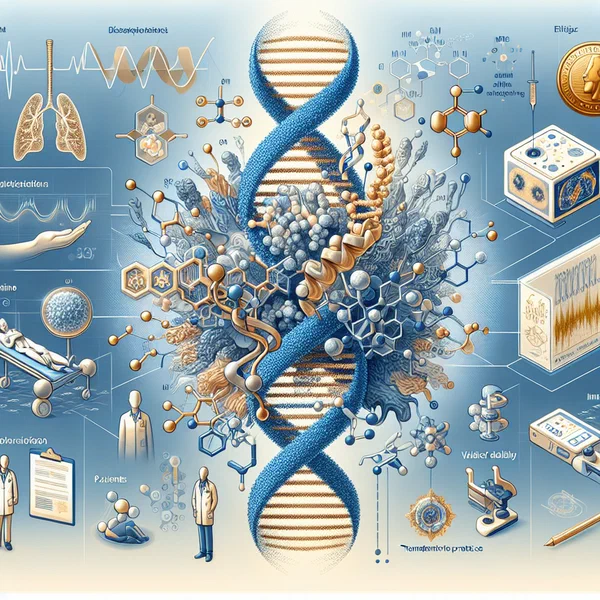
Nobel laureate David Baker’s team develops AI breakthrough for targeting ‘undruggable’ intrinsically disordered proteins, opening paths to treat cancers, neurodegenerative disorders, and metabolic conditions. Despite technological promise, implementation raises critical questions about AI diagnostic reliability and healthcare trust.