The articles on ExpertLinked go deep. These don’t.
Each infographic here extracts the single most actionable framework from a Workplace Clinic, Career Mechanics, Signals & Shifts, or Briefing Room piece — stripped to its essentials, formatted for a quick read or an immediate share.
Browse below, or click through to the original article for the full clinical analysis, research, and scripts behind each one.
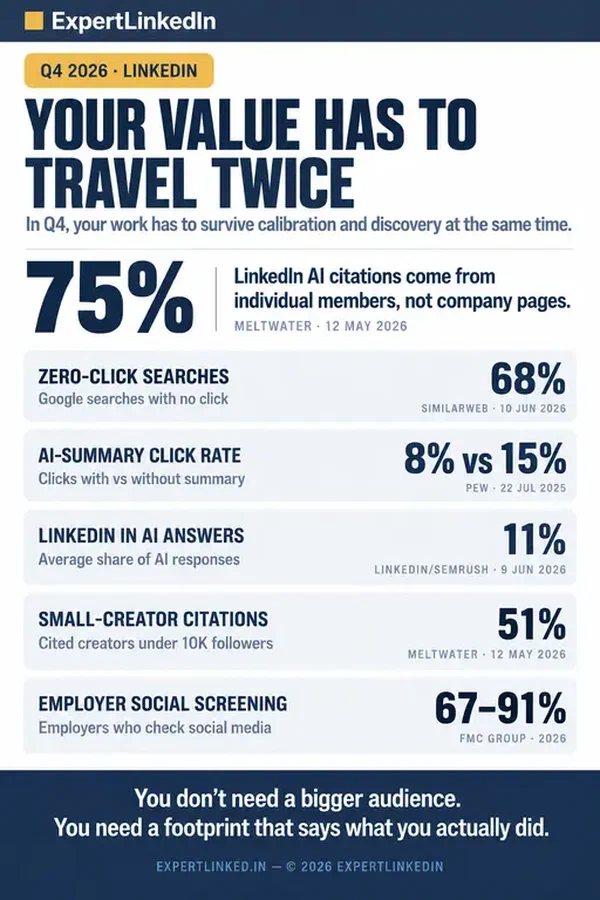
Your self-evaluation tells the calibration room one story; your public LinkedIn footprint may be telling another. In Q4 2026, your value has to travel twice. Here is the two-sided visibility audit to run before the review hardens.
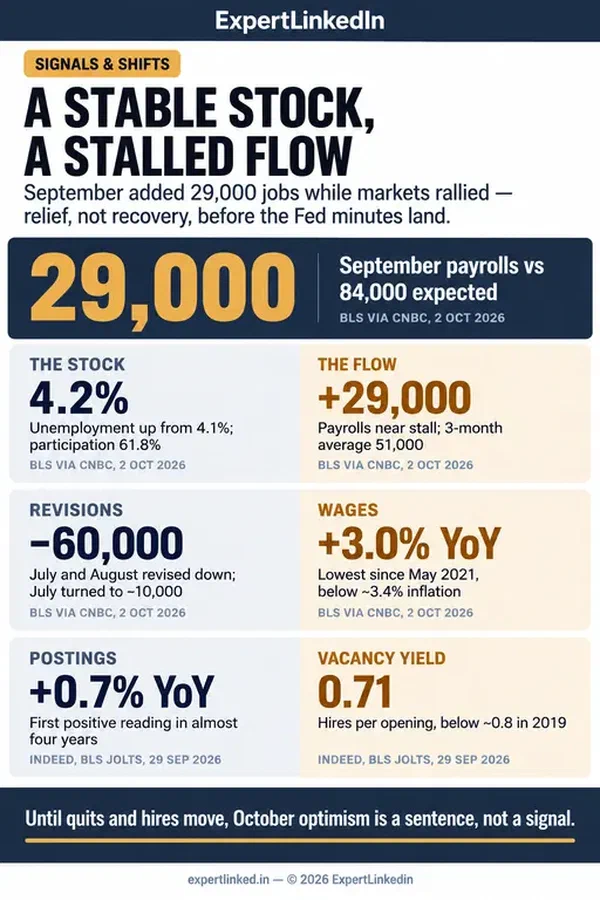
September added just 29,000 jobs — and stocks rallied. The report looked stable in the stock and stalled in the flow, with a 4-year-low wage print and 60,000 jobs revised away. Before the Fed minutes land today, here is how to tell whether Q4 hiring is real movement or just better management language.
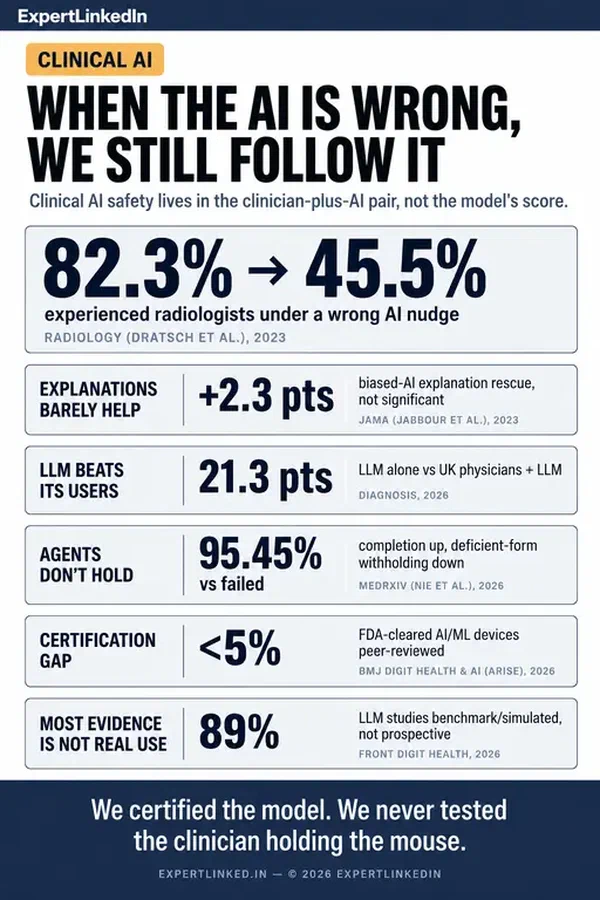
We keep certifying clinical AI on model accuracy scores, but the 2026 evidence shows the real safety problem lives in the clinician-plus-AI pair. Doctors follow confident AI advice even when it is wrong, and explanations do not protect them.
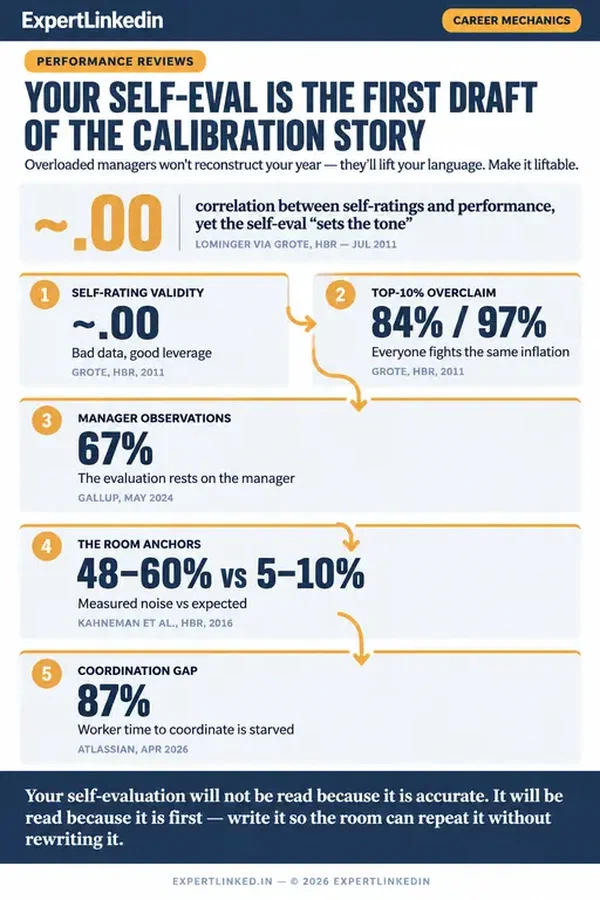
Self-ratings barely correlate with performance, yet the self-evaluation still sets the tone for calibration. Here is how to write a Q4 2026 self-eval that a sponsor or calibration room can repeat without rewriting it — before your manager writes the story first.
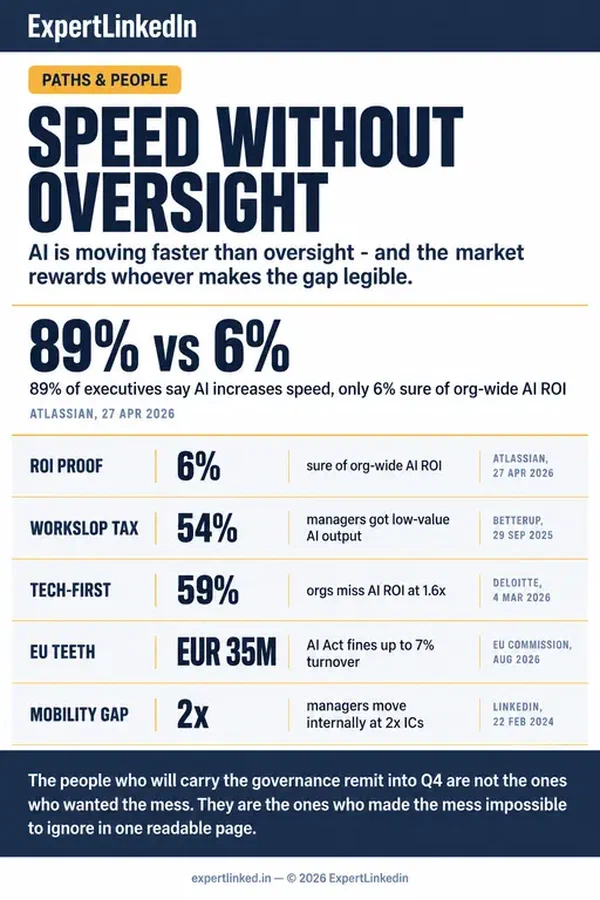
The career upside of AI governance is not in wanting the mess. It is in making the mess legible. This composite story shows how an operations lead converted inherited QA and compliance cleanup into real decision rights before Q4 2026 locked titles down.
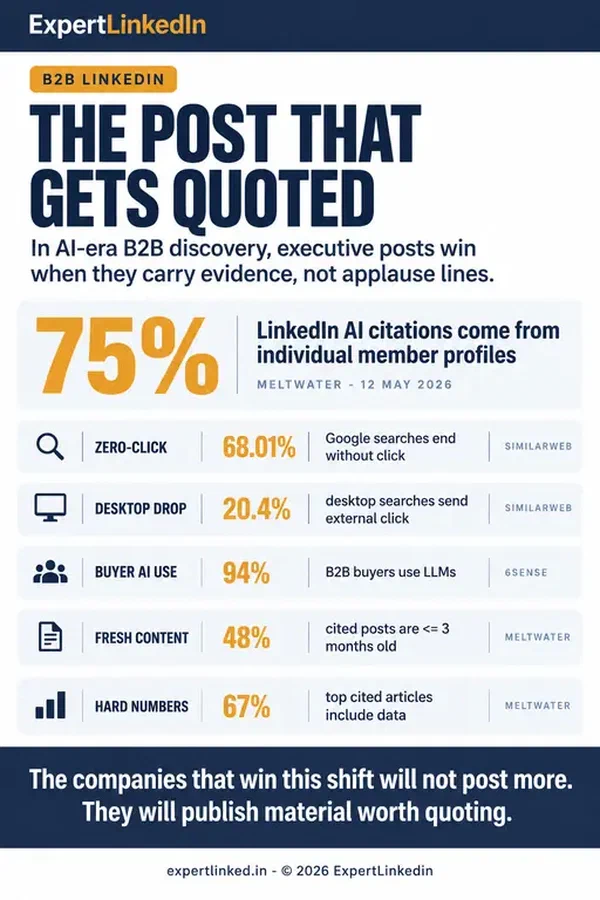
Most executive LinkedIn posts are still written like brand theatre. In AI-mediated B2B discovery, the posts that win are specific, attributable, and easy to quote. Your executive feed is becoming search infrastructure.
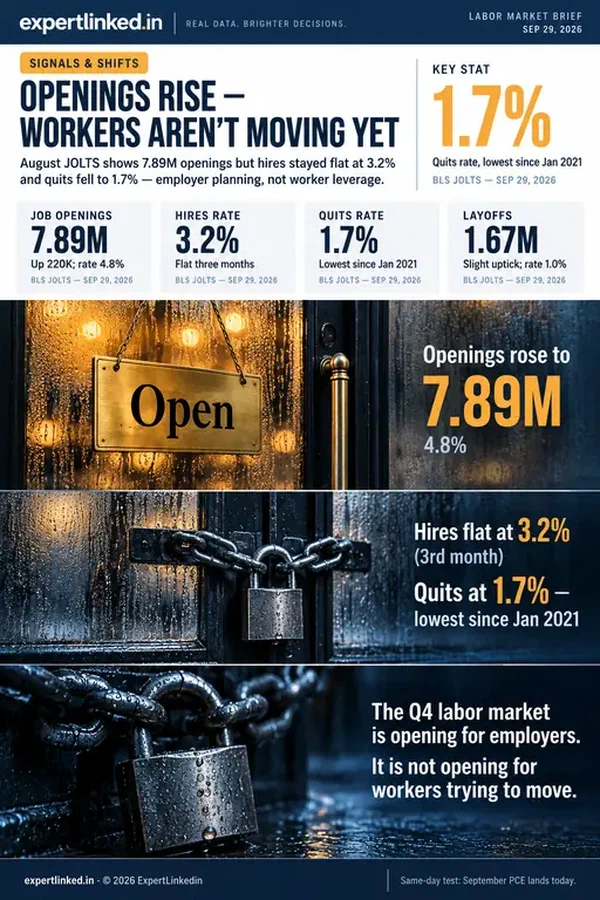
Three-panel infographic showing the triple-divergence: openings up, hires flat, quits collapsing. The Q4 labor market is opening for employers, not for workers trying to move.
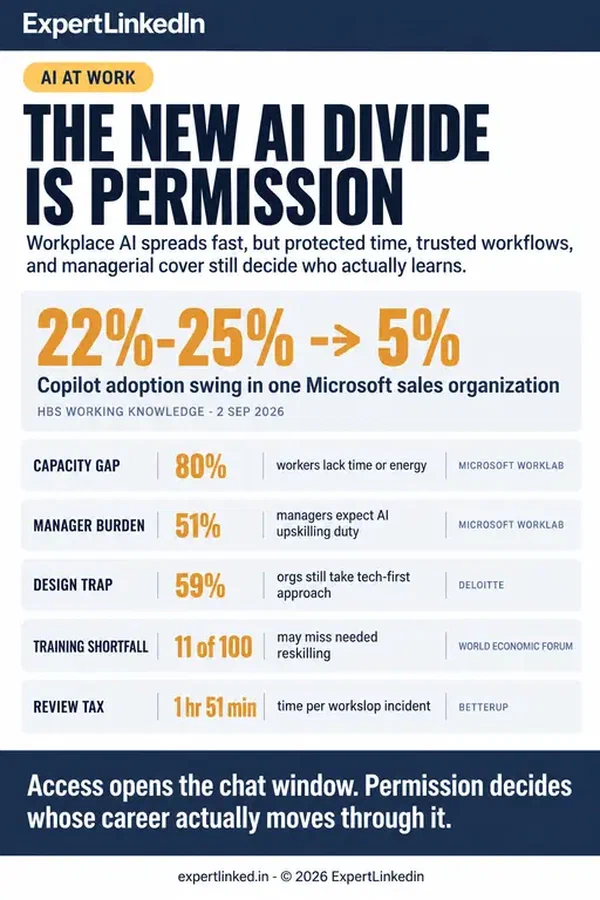
Almost everyone can open a chatbot at work. Far fewer workers have the protected time, trusted workflows, and managerial cover needed to turn AI into real leverage. The next workplace divide is not tool access. It is permission.
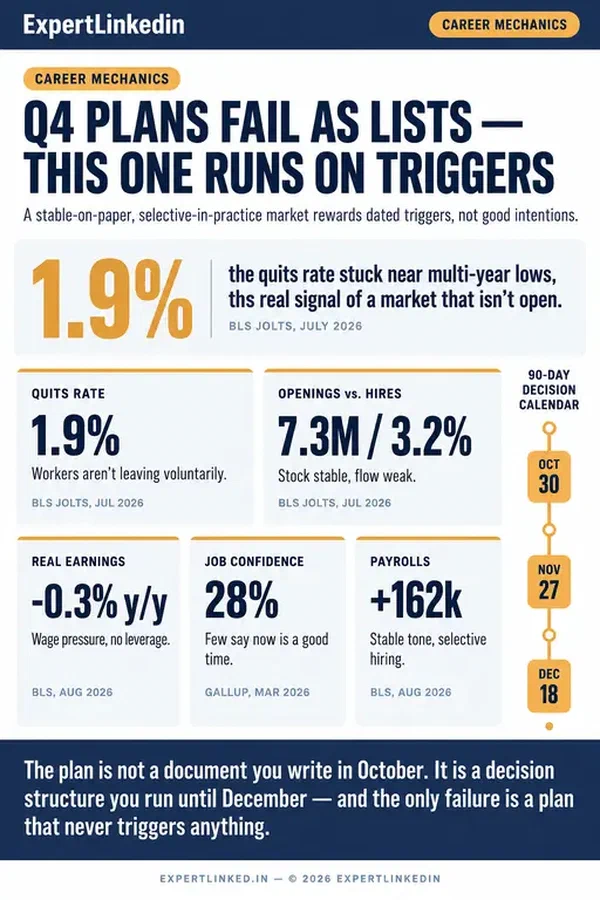
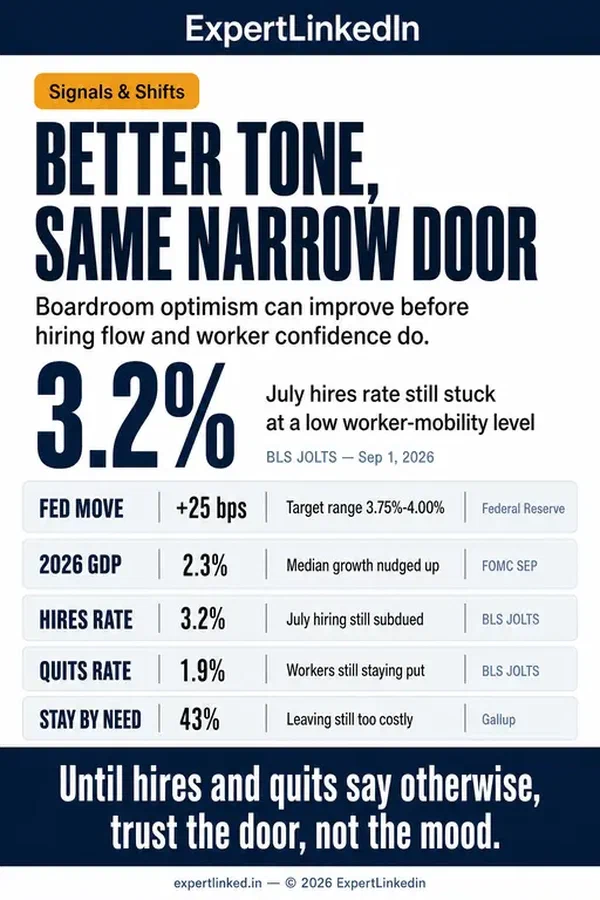
September 2026 still has a hires rate near 3.2% and a quits rate near 1.9%. The 90-day Q4 plan that works is the one built on triggers and decision gates, not on a wish list.
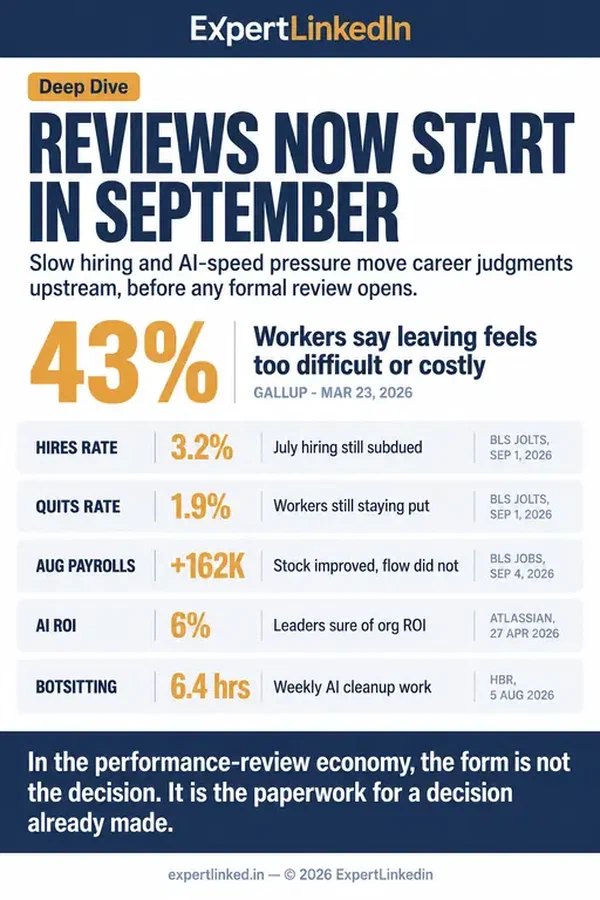
Most people think Q4 performance reviews reward output volume. In late 2026, they increasingly reward sponsor depth, evidence quality, market context, and role design that were set in motion before review season even opens.
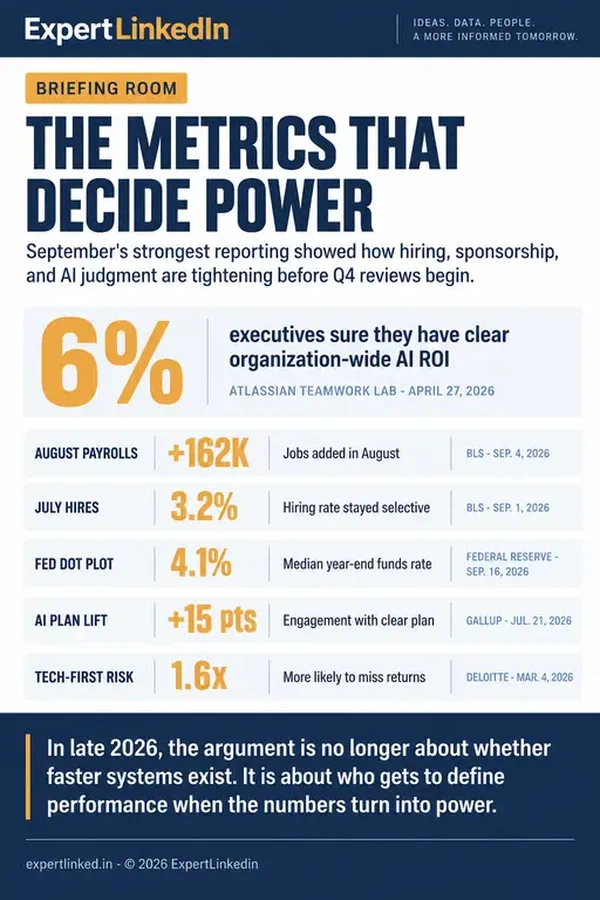
September’s strongest labor, Fed, management, and AI-governance reporting all pointed to one conclusion: performance pressure is being allocated through measurement, sponsorship, and workflow design before workers feel real relief.
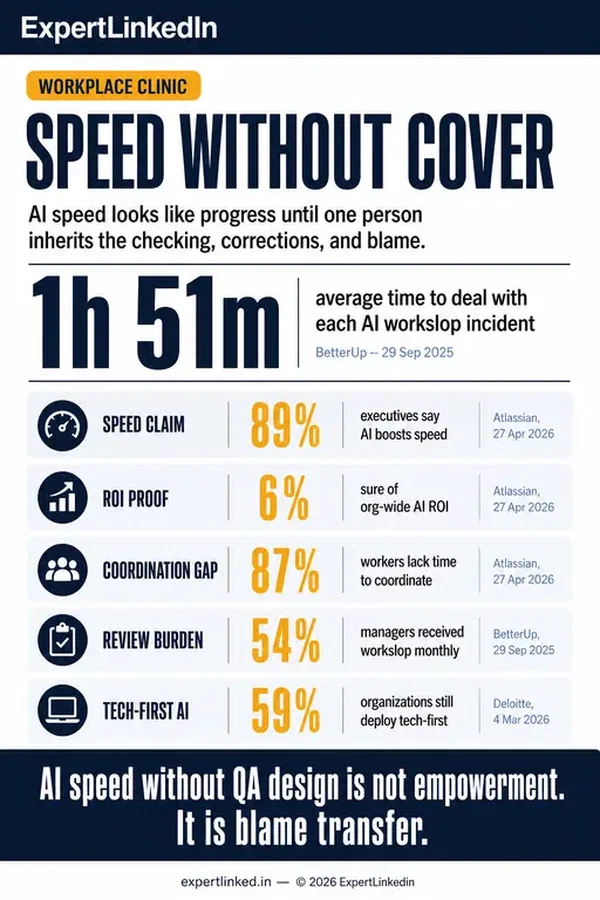
AI can make a team look faster while quietly pushing the checking, corrections, and reputational risk onto one person. Before Q4 reviews lock that arrangement in, you need a clearer QA line, a workload trade-off, and a manager who will own the risk with you.
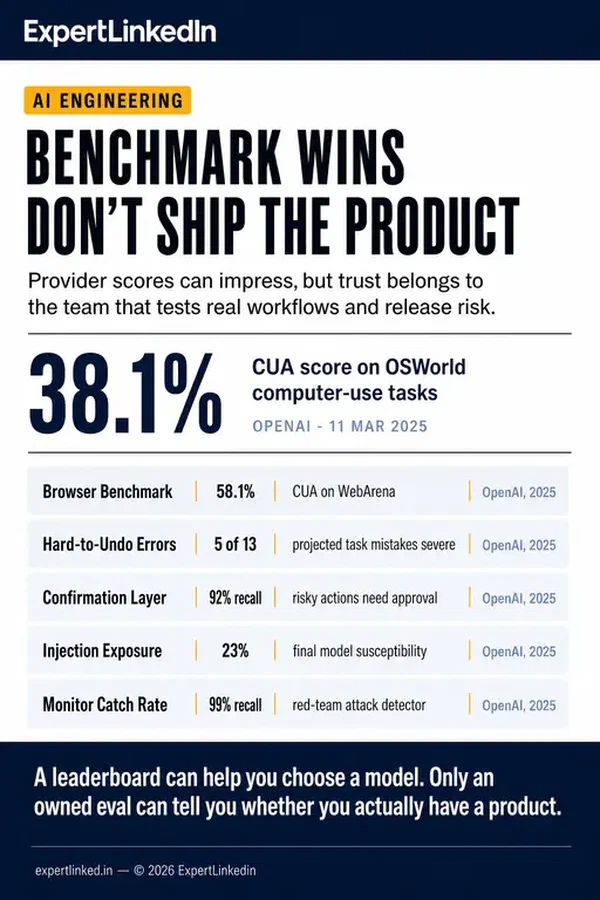
Benchmarks can narrow a model choice, but they do not tell you whether your agent survives your workflow. As providers turn tracing and post-deployment evaluation into first-class tools, the team that owns the eval suite is becoming the team that truly owns the AI product.
The Fed’s September 2026 decision may improve CEO tone before it improves worker mobility. For anyone trying to read Q4 hiring honestly, the signals that matter more are still the hires rate and quits behavior.
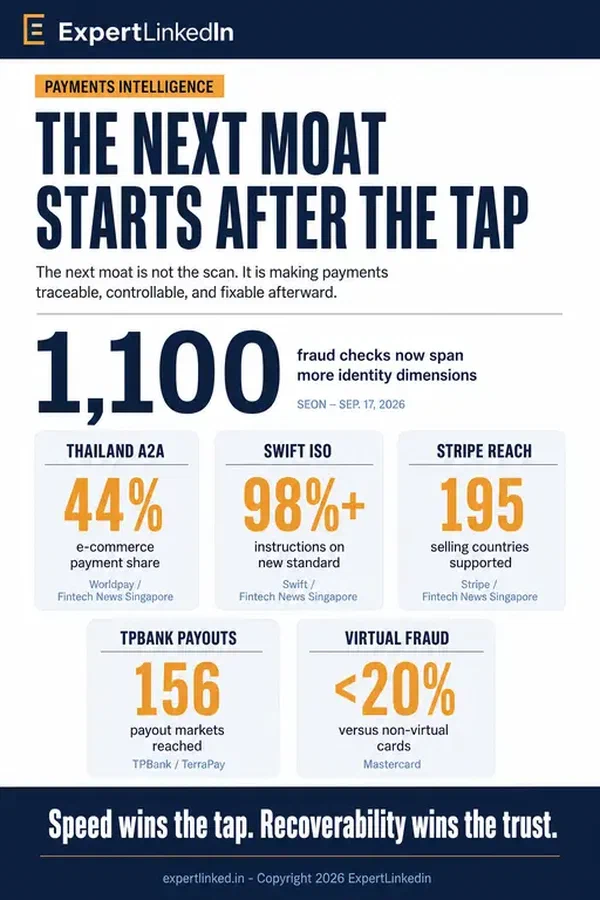
Southeast Asia already solved the consumer-facing scan. The real payments moat now is recoverability: transaction search, structured references, control layers, and 24/7 settlement that keep trust intact after money moves.
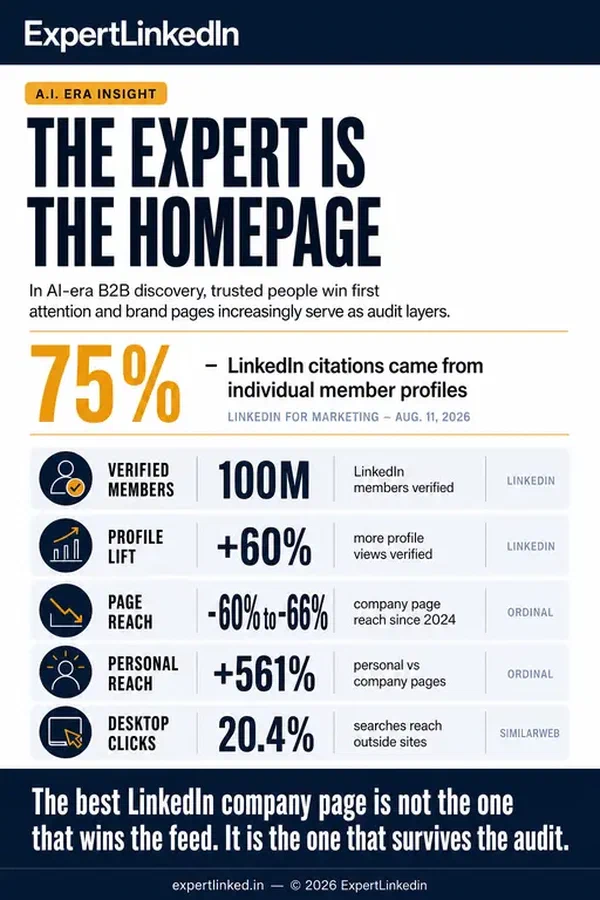
B2B buyers increasingly meet credible people before they ever reach a website. LinkedIn citations, AI answers, and verification signals are making expert profiles the new front door while company pages become the audit layer.
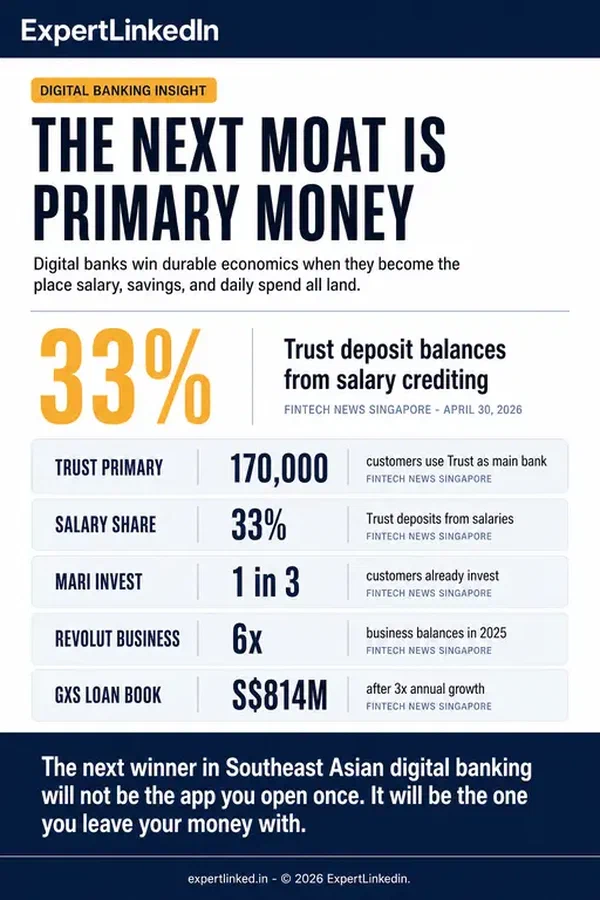
Digital wallets already won the screenshot in Southeast Asia. The harder fight for digital banks now is becoming the place salary lands, savings stay, and customers buy their second and third financial product. Trust, MariBank, Revolut, and GXS show why the next moat is a primary-money relationship, not another app install.
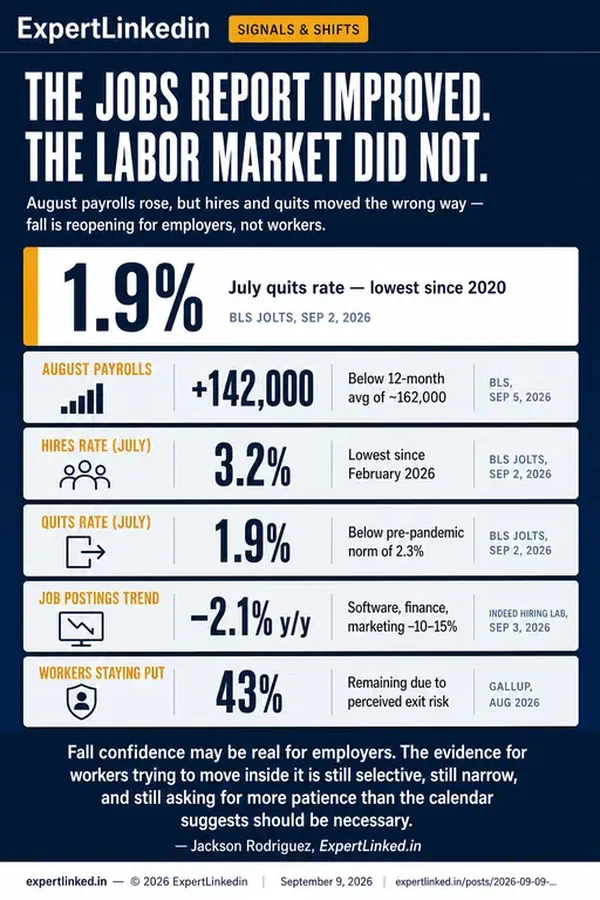
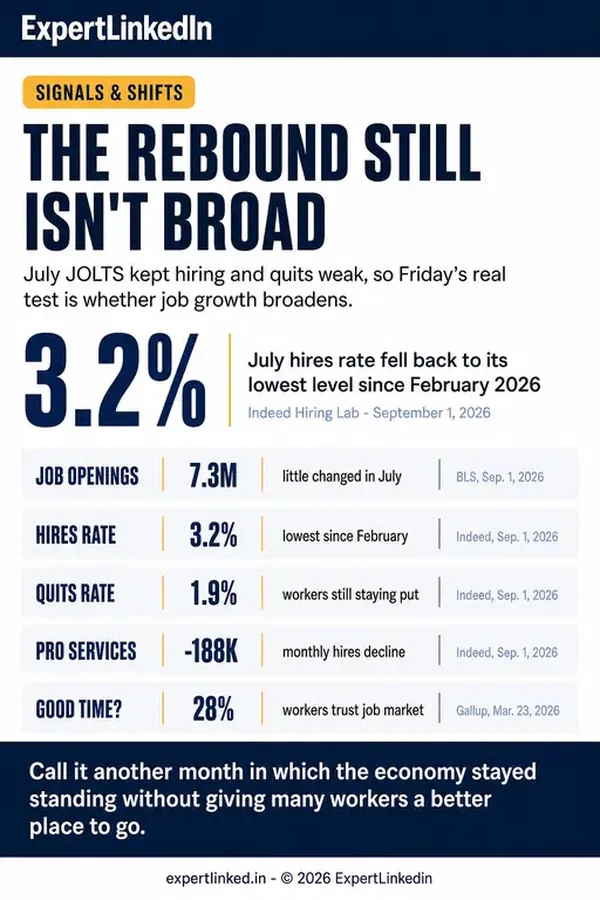
The August jobs report sounded better. The July JOLTS data did not. Together, they describe a market that is stable for employers and still frozen for workers — fall optimism that is real for one side and mostly theoretical for the other.
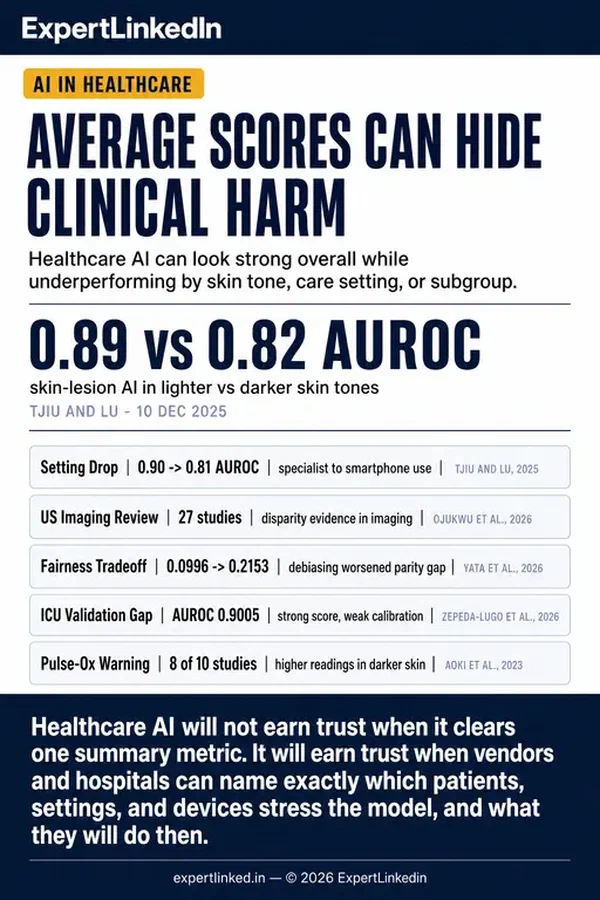
A strong average score can hide the patients and care settings where healthcare AI breaks. Skin-tone gaps, validation shortcuts, and weak postmarket monitoring make subgroup evidence more important than another headline AUROC.
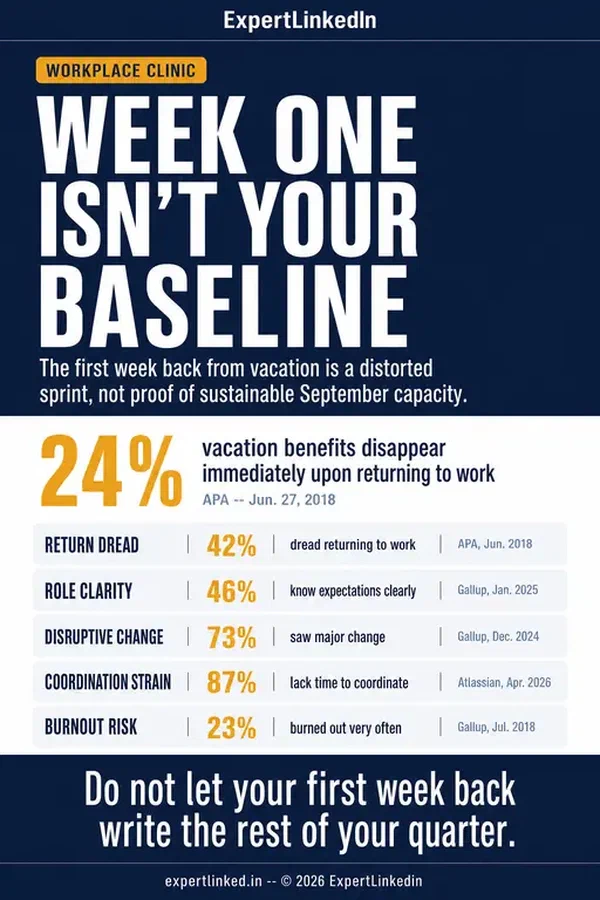
The first week back from vacation is usually a backlog-clearing sprint, not proof of sustainable capacity. If your team treats that burst as September’s new baseline, here is how to reset expectations before helpful overperformance becomes policy.
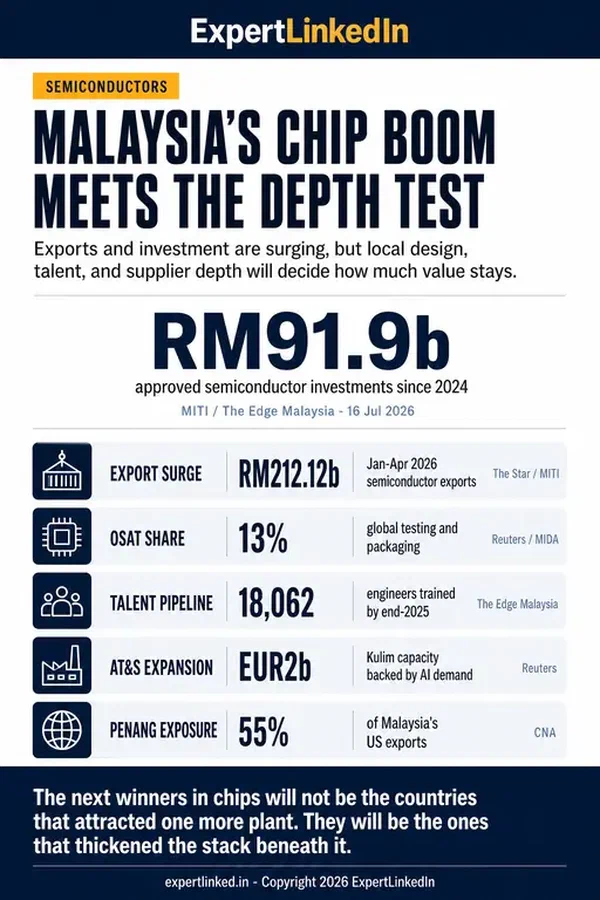
Malaysia no longer has to prove it can attract chip plants. With exports up 50% and RM91.9 billion approved since 2024, the harder test is whether Penang and Kulim can build enough local design, supplier, packaging, and talent depth to keep more value when tariffs and bottlenecks hit.
July JOLTS kept the labor market in low-hire, low-fire mode. The number to ignore is the headline; the signal to watch on Friday is whether job growth broadens beyond the same narrow pockets.
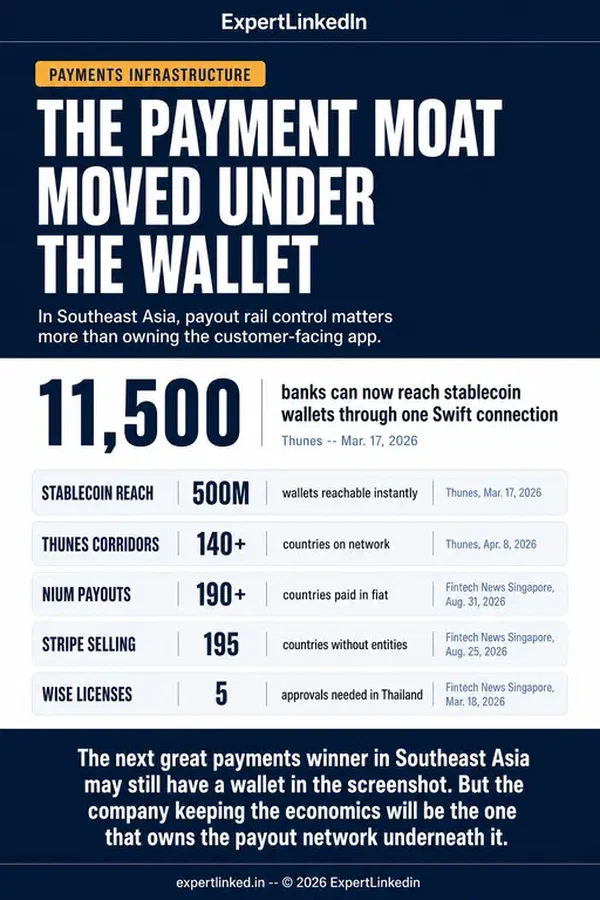
Consumer wallets still take the headline in Southeast Asia. The harder-to-copy asset now sits underneath them: licensed payout and settlement networks that move money across borders, rails, and weekends without forcing merchants to rebuild the front end.
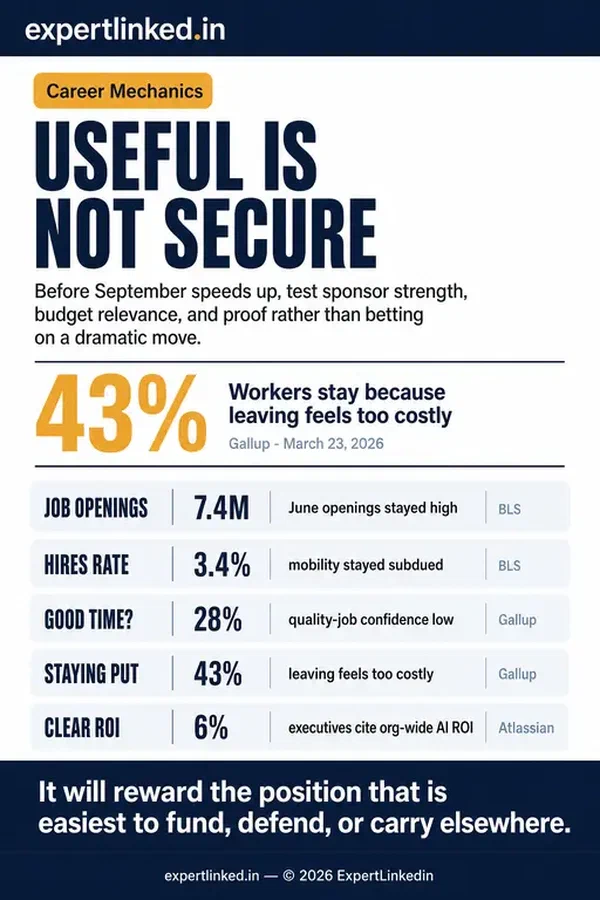
Most readers do not need to panic or quit. They need to pressure-test whether their current role has real sponsor strength, Q4 budget relevance, and portable proof before September accelerates.
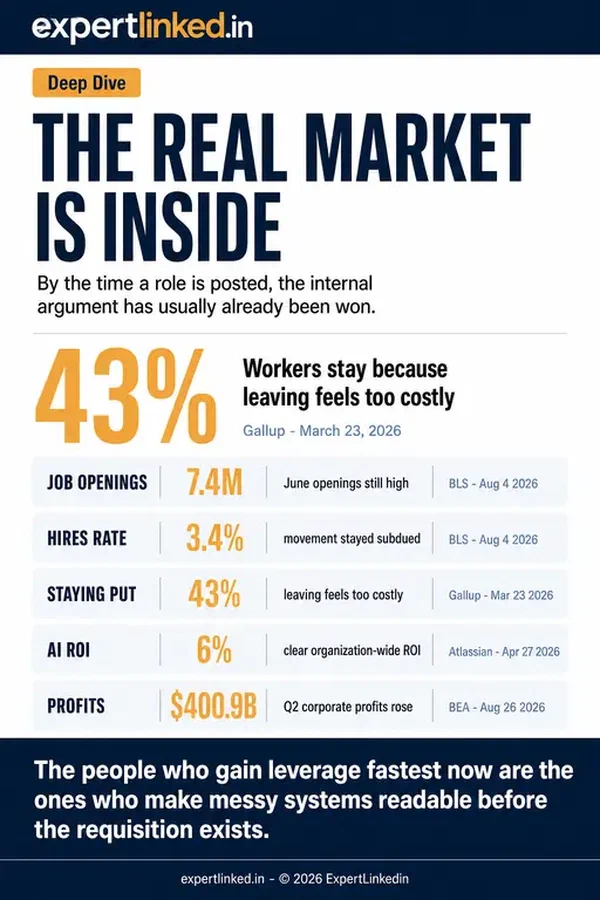
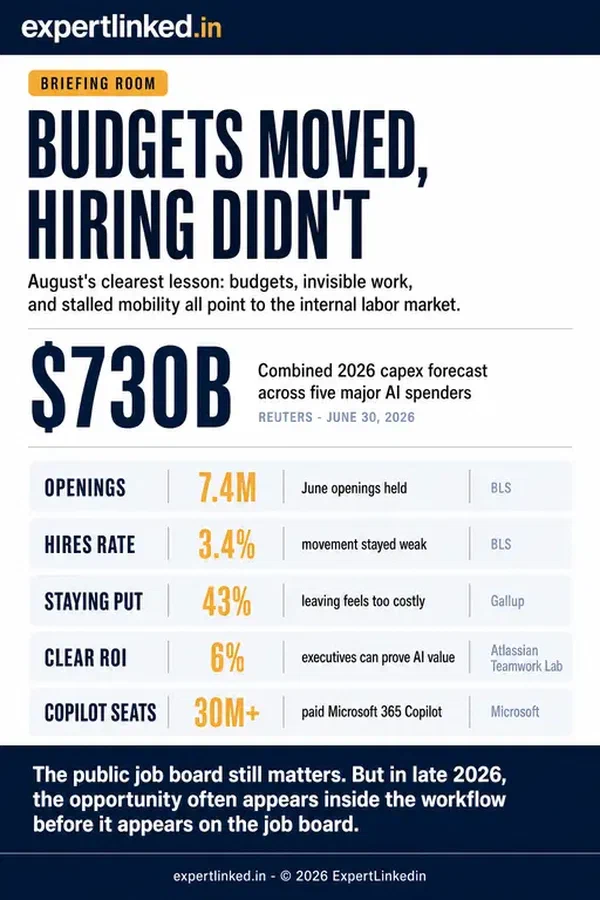
In Q3 2026, the most important labor market for many professionals is inside the firm. Scope authorship, workflow proof, and legible risk reduction now matter more than waiting for an external posting.
August’s strongest labor, management, and AI spending signals all pointed to one conclusion: career leverage is being allocated inside firms before public hiring catches up.
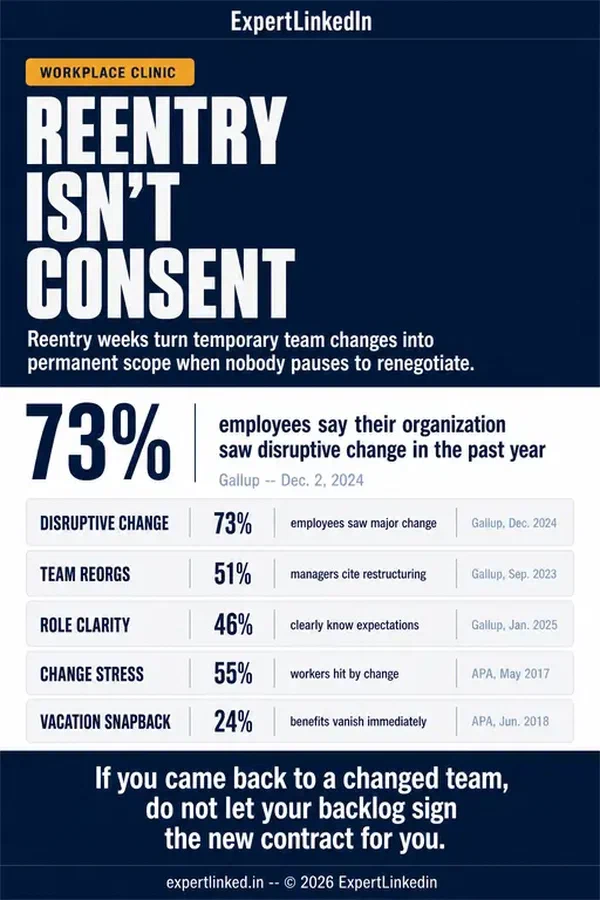
Coming back to a ’new setup’ is one of the easiest ways organizations turn temporary changes into permanent scope. Here is how to surface what shifted, reopen the authority conversation, and stop Q4 from recording your reentry triage as your new job.
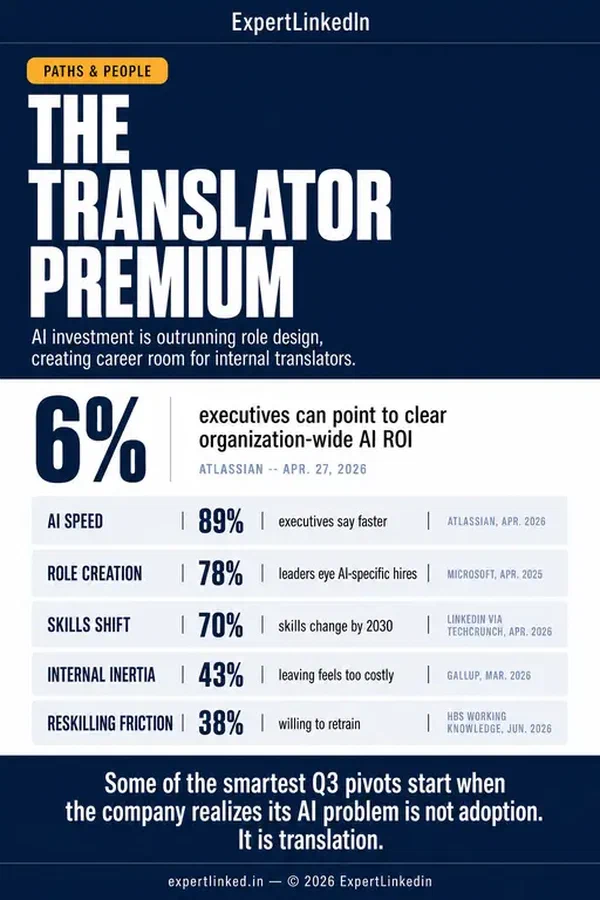
The AI career pivot many companies need is not a new model expert. It is the mid-career translator who can turn messy handoffs, exception queues, and governance gaps into a real role before the org chart knows what to call it.
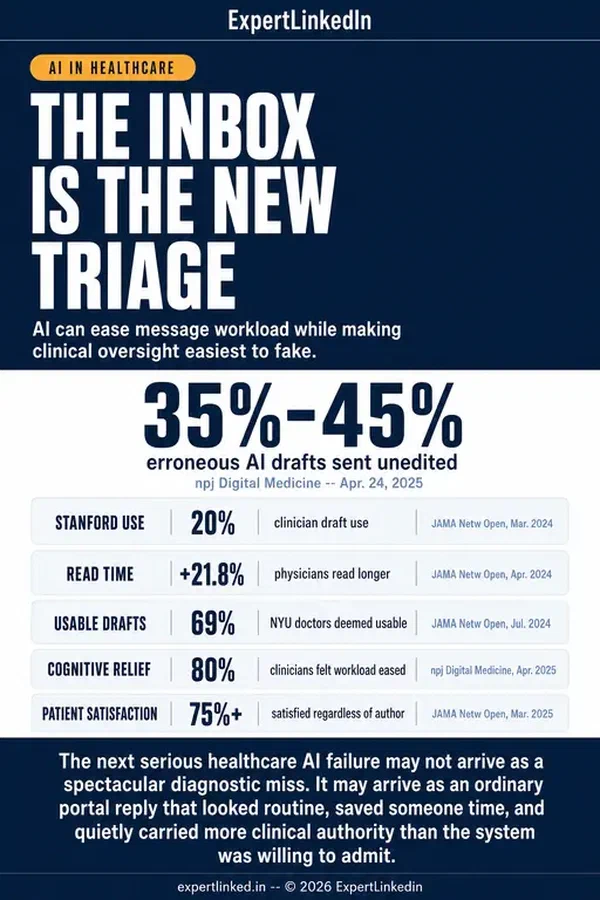
Health systems are using AI to draft patient-inbox replies to ease physician burnout. The harder 2026 question is whether the inbox is quietly becoming a clinical triage surface with too much trust and too little supervision.
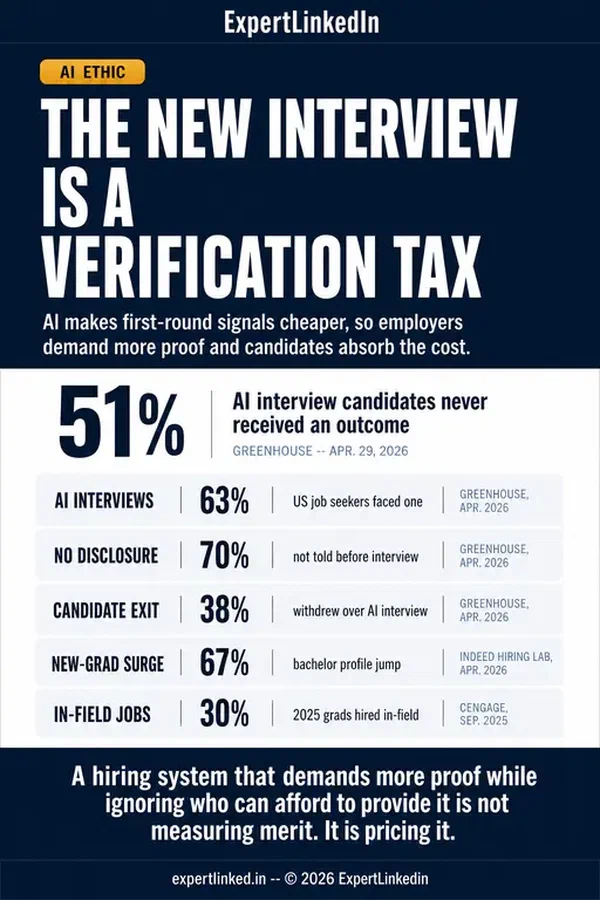
AI did not remove friction from hiring. It moved the cost of trust onto candidates through AI interviews, work samples, and verification loops that reward time, money, and calm as much as merit.